


Current news · News & Trending
An Earhart Expedition Is Heading for Nikumaroro. The Target Is Still Unidentified
Dated voyage updates describe a planned examination of the Taraia Object. Here is what is documented, what is disputed and what a field report would need to establish.
OnelROR Editorial Team · October 11, 2026 · Miami (America/New_York) · 5 min read
A voyage update, not an aircraft identification
A team investigating Amelia Earhart’s disappearance is traveling toward Nikumaroro to examine an unidentified feature in the island’s lagoon. Purdue University’s October 9, 2026 dispatch placed the vessel Marin Mainiku at sea, approaching the voyage’s halfway point. The expedition’s interest is the Taraia Object, which organizers believe could be connected to the missing aircraft. Their interpretation makes it a target for examination; it does not make it identified wreckage.
The timetable needs the same restraint. Purdue’s October 9 update tentatively forecast arrival around midday October 12, local time. Reuters’ October 10 report instead gave October 13, also described as local time. Neither account reports a completed landing. Readers should keep the date of each dispatch beside its forecast rather than choosing an arrival date and presenting it as settled. This article uses the dated reports reviewed on October 11; it does not infer progress from the passing of time.
What the field team plans to do
Purdue’s October 7 departure report described a 17-person expedition team and a separate 17-person vessel crew leaving Tarawa aboard the Marin Mainiku. Its equipment list included side-scan sonar, a magnetometer and a hydraulic dredge. Those details describe a planned investigation, not a completed survey. The distinction also matters when older project pages describe staffing differently: the dated departure report identifies the team for this particular voyage, while an undated overview may reflect an earlier stage of planning.
The October 9 dispatch sets out an intended sequence: a drone survey after arrival, moving equipment ashore and establishing a staging area, then remote sensing before uncovering the target. Organizers said magnetometers and sonar would help them assess what is present before using the dredge. These are the expedition’s stated plans. A subsequent report should tell readers which stages actually occurred, where they occurred and what observations resulted. Equipment appearing on a list is not evidence that it has already produced a finding.
The disagreement concerns this particular target
Reuters’ October 10 account, by Steve Gorman, supplies an important independent contrast. Expedition leader Richard Pettigrew and his colleagues regard the imagery as a reason to investigate possible aircraft remains. Ric Gillespie, a longtime investigator associated with the Nikumaroro castaway hypothesis, told Reuters he believes the lagoon feature is a fallen pandanus tree. His support for an island hypothesis does not mean he accepts this target’s proposed identity. The disagreement is therefore more specific than a contest between people who believe or disbelieve the entire Earhart story.
Three questions should remain separate: whether Earhart and navigator Fred Noonan reached Nikumaroro, whether their aircraft entered the lagoon, and whether this visible feature is part of that aircraft. Answering one would not automatically answer the other two. If examination identifies wood, that would bear directly on the target; it would not resolve every aspect of the disappearance. If researchers find metal, its presence would likewise be the start of an identification argument, not the completion of one. Reputation and enthusiasm cannot substitute for a documented connection.

Keep the historical record beside the hypothesis
The National Archives’ account of the Itasca radio log offers a traceable historical starting point. The cutter supported Earhart’s flight near Howland Island, and the log identifies communications from the aircraft by the call sign KHAQQ. Its entries record radio difficulties and the final received communication on the morning of July 2, 1937. The Archives page was last reviewed on September 27, 2024: that is a modern page-review date, while the underlying communications are records from 1937.
Howland was the intended destination; Nikumaroro is the present expedition’s proposed search site. Treating them as interchangeable would turn an alternative explanation into an inaccurate description of the planned route. The radio log documents what the ship received. It does not provide a complete account of the aircraft’s subsequent movements. An illustration of a possible route, or a quotation detached from its surrounding entries, cannot fill that gap. This article offers no new flight-path reconstruction and reports no confirmed discovery of the aircraft or its occupants.
A survey signal needs an identification
NOAA Ocean Exploration describes a magnetometer as an instrument measuring variations in the magnetic field. In marine surveys, magnetic anomalies can indicate ferrous material or geological features. Position data helps researchers map those signals, with direct examination and photographs used to check possible artifacts. Sonar supplies a different kind of information using sound. The general explanation, published in 2020 and updated in 2021, is background about methods; it is not a report that the 2026 expedition has detected anything.
For a reader assessing a future announcement, the useful chain is observation, material identification and connection to the historical aircraft. A shape in an image answers a different question from an examination of its material. A metal object answers a different question from a securely identified aircraft component. Ask whether a report supplies photographs, the examination location, the basis for its identification and an explanation of alternatives. Those are editorial questions for evaluating a claim, not a prediction of what the team will recover.

What to look for in the next report
Reuters reported that Purdue’s Steve Schultz said no artifacts would be removed on this trip if the aircraft were found, and that extracting wreckage would require further permission from Kiribati. Keep that statement conditional and attributed. Permission, access, examination and removal are different stages; a report about one should not be promoted into a claim about another. The next informative development would be a dated account of work completed and evidence examined, with its uncertainties stated alongside its conclusions.
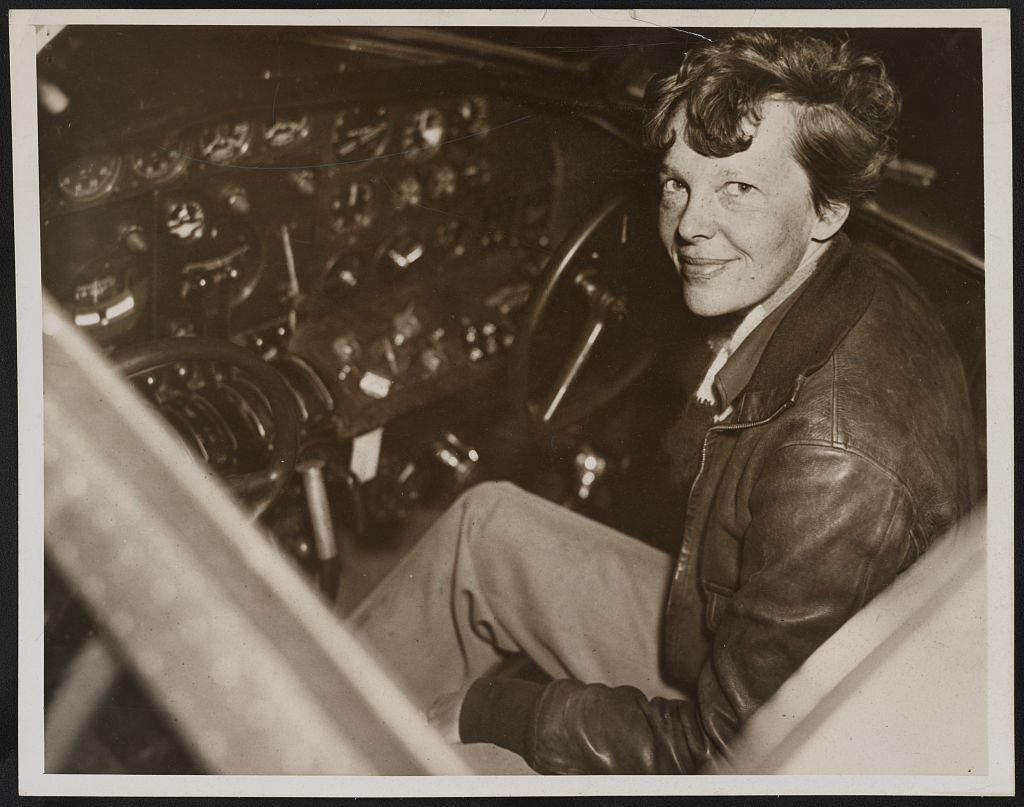
When another update appears, check three things before sharing it: whether it reports an event or only a plan, whether its evidence identifies the target or merely suggests a possibility, and whether the photographs show current field work or historical background. The three credited images here are archive or explanatory photographs, not images from this expedition and not evidence identifying the Taraia Object. The story is an opportunity to test a specific explanation. Its significance will depend on the documented examination, rather than the promise attached to an intriguing outline.