


World Economy
Bangkok's Finance Meetings: What to Watch Behind the Forecasts
The IMF and World Bank meet in Thailand next week. Energy costs, debt pressure and uneven AI investment make the assumptions behind the headlines matter.
By OnelROR Editorial Team · October 11, 2026 · Miami · 3 min read

The news is the coming test
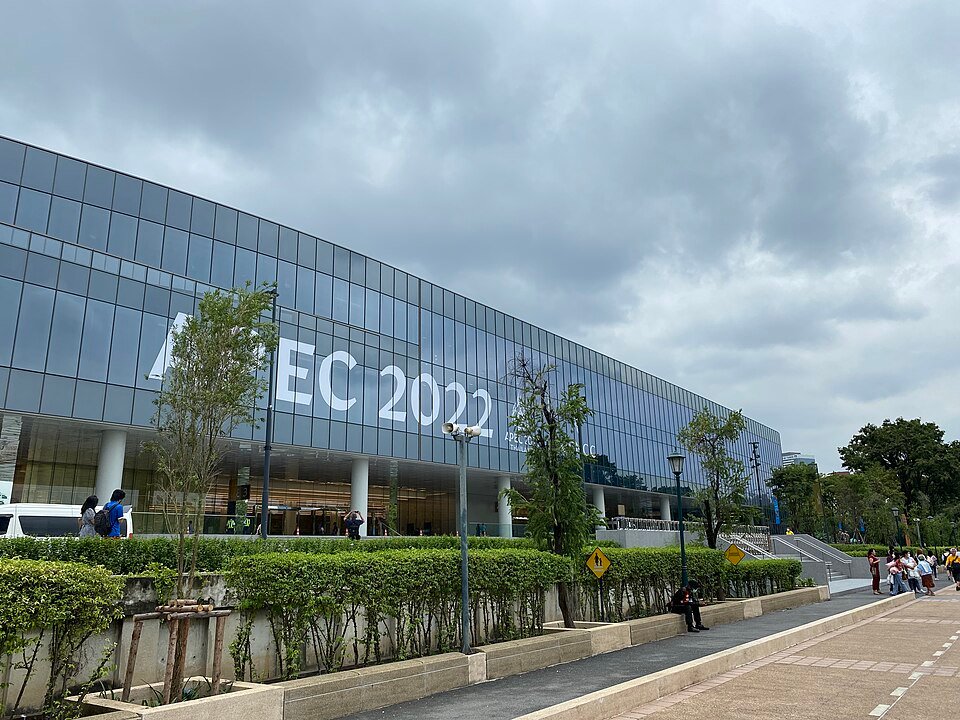
The International Monetary Fund and World Bank's annual meetings are scheduled for October 12-18 in Bangkok, Thailand. As of this article's October 11 publication date, the week has not begun. The useful question is what the institutions' forthcoming forecasts will assume about the pressures already shaping the economy.
The official IMF calendar lists the World Economic Outlook press briefing for October 13 at 9 a.m. Bangkok time, followed by the Global Financial Stability Report briefing at 10:15 a.m. Those are scheduled releases, not findings already available to quote. A speech delivered before the meetings can describe the outlook's direction without replacing the published report or its country tables.
Three pressures, different effects
In her October 7 speech in Singapore, IMF Managing Director Kristalina Georgieva identified three central crosscurrents: AI's rapid arrival, persistently high energy prices and record public debt. She described opposing forces from an energy supply shock and investment associated with AI. Her central warning was that steady global averages can conceal very different national experiences.
An energy importer with little fiscal room faces different choices from an economy supplying fuel or benefiting from technology investment. Energy costs can reach households indirectly through transport, fertilizer and industrial inputs. Meanwhile, a surge in investment is not proof that the benefits are reaching every country, business or worker.
When the new outlook arrives, read the country discussion alongside the headline growth figure. Check the assumptions about energy, the period being forecast and whether the number is a revision from an earlier outlook. A forecast conditional on one path for costs should not be presented as a promise under every possible path.
Debt needs more than a ratio
Georgieva's speech also emphasized debt-service pressure. A country's debt relative to its economic output tells only part of the story: the revenue available to make payments matters too. That distinction helps explain why a smaller debt ratio does not automatically mean a lighter burden on public services.
For readers following budget announcements, separate the stock of debt from the cost of financing it. Then look for what a proposed response would change: taxes, spending, borrowing terms or the timing of payments. The same language about restoring stability can describe different policies with different effects on households.
Reuters' October 11 preview of the meetings reported concern from Eurodad debt-policy specialist Iolanda Fresnillo about possible austerity associated with deeper IMF loan conditions. That is an attributed concern, not evidence that a particular new package has already been adopted. It adds a question to ask as documents emerge: what safeguards and tradeoffs accompany any financing agreement?
Do not merge separate forecasts
Reuters also reported that World Bank President Ajay Banga was not lowering the bank's global forecasts at the time of his interview, while watching a combination of pressures including energy, fertilizer and debt. That statement and the IMF's speech come from different institutions and different moments. They should not be collapsed into one shared numerical forecast.
The practical reading rule is to keep the institution, publication date and forecast horizon attached to each claim. If a later report changes the estimate, compare it with that institution's earlier estimate on the same basis. A headline saying the outlook worsened needs that reference point to be useful.

A short checklist for the week
Start with the released report rather than a summary of an anticipated announcement. Note its date and distinguish the baseline forecast from a risk scenario. Then ask where the pressures are concentrated: energy-dependent economies, governments facing refinancing costs, or places receiving little of the AI-related investment discussed in the IMF speech.
Finally, separate a discussion from a decision. A conference speech, a proposal and an approved financing agreement carry different weight. The meetings bring policymakers together; the consequences depend on the documents and actions that follow. Reading those distinctions carefully is more valuable than treating a single global average as everyone's economic experience.