

ONELROR · TUTORIALS
Fold an Eight-Page Mini-Zine From One Sheet of Paper
One sheet, a short central cut and a few careful folds become a pocket-sized booklet. Make the blank version first, then give every page a job.
OnelROR Editorial Team · October 18, 2026 · 4 min read
Start with a blank test sheet
You need one sheet of ordinary letter-size paper, scissors and a pencil. Add a pen or your own small drawings when the folding works. Keep another sheet nearby if you want a clean master to copy. Children should have help with the scissors.
This is the eight-page, single-sheet format: the front and back covers count among the eight pages. You will write on one side of the unfolded sheet. It needs neither staples nor glue to hold its basic shape. The Institute of Contemporary Art/Boston activity by Kelly Chen demonstrates this construction; the instructions were checked on October 18, 2026.
1. Crease a grid of eight panels
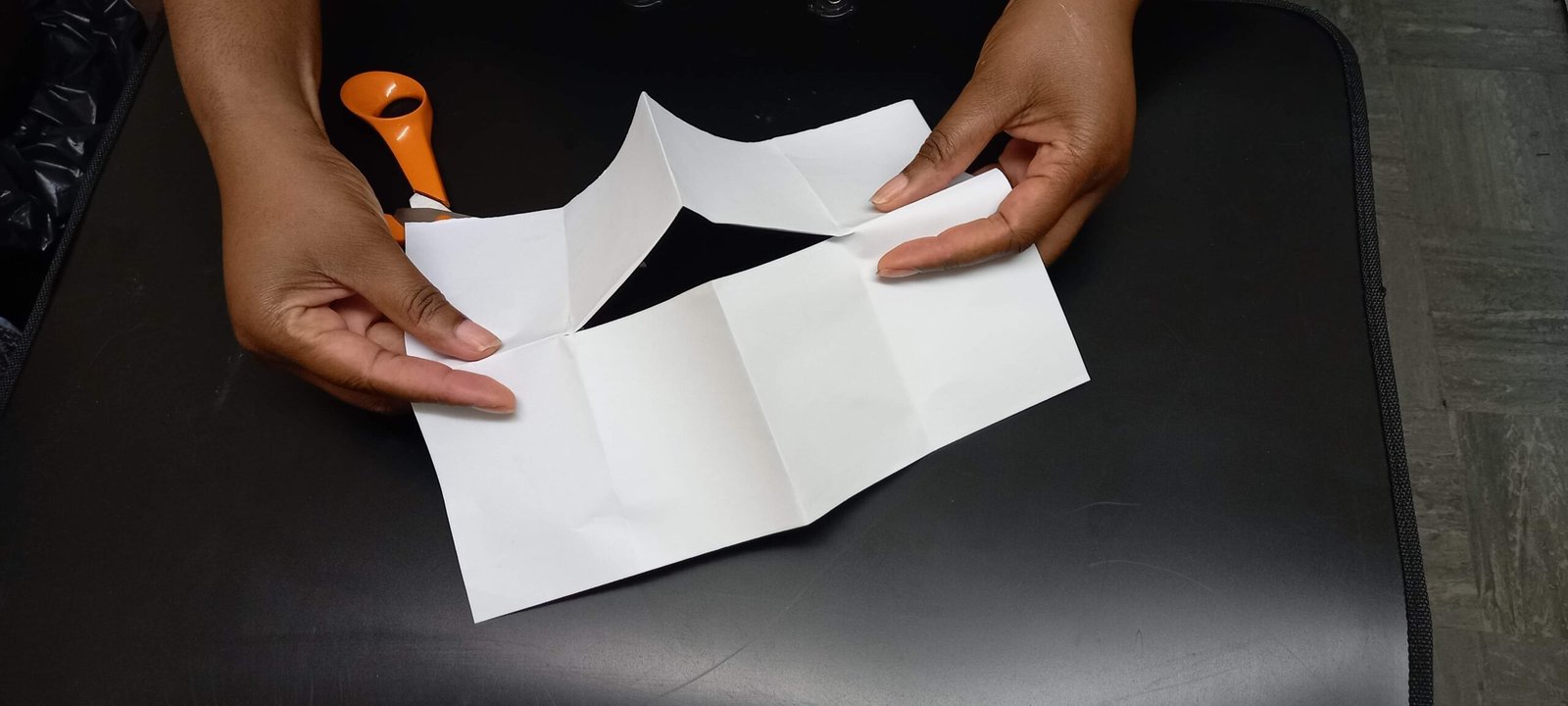
Lay the sheet in landscape orientation. Bring the long edges together, crease, and reopen it. Now bring the short edges together and crease. Keeping that shorter rectangle folded, bring its short edges together once more. Open the sheet completely: you should see two rows of four equal rectangles.
Press the folds firmly with a fingertip. Check that opposite edges meet before making each crease. Uneven panels make the finished pages drift, so correct the test sheet now instead of trying to compensate in the artwork.
2. Make one central slit
Fold the sheet in half with the short edges touching. Locate the crease that runs halfway between the two long edges. Starting at the folded edge, cut along that crease only as far as the next cross-crease. Stop there.
Open the sheet. The slit should lie along the lengthwise middle crease across the two central panels. The outer panels stay connected. Do not cut from an outside edge of the fully opened sheet or cut all the way through the folded rectangle.
3. Collapse it into a booklet
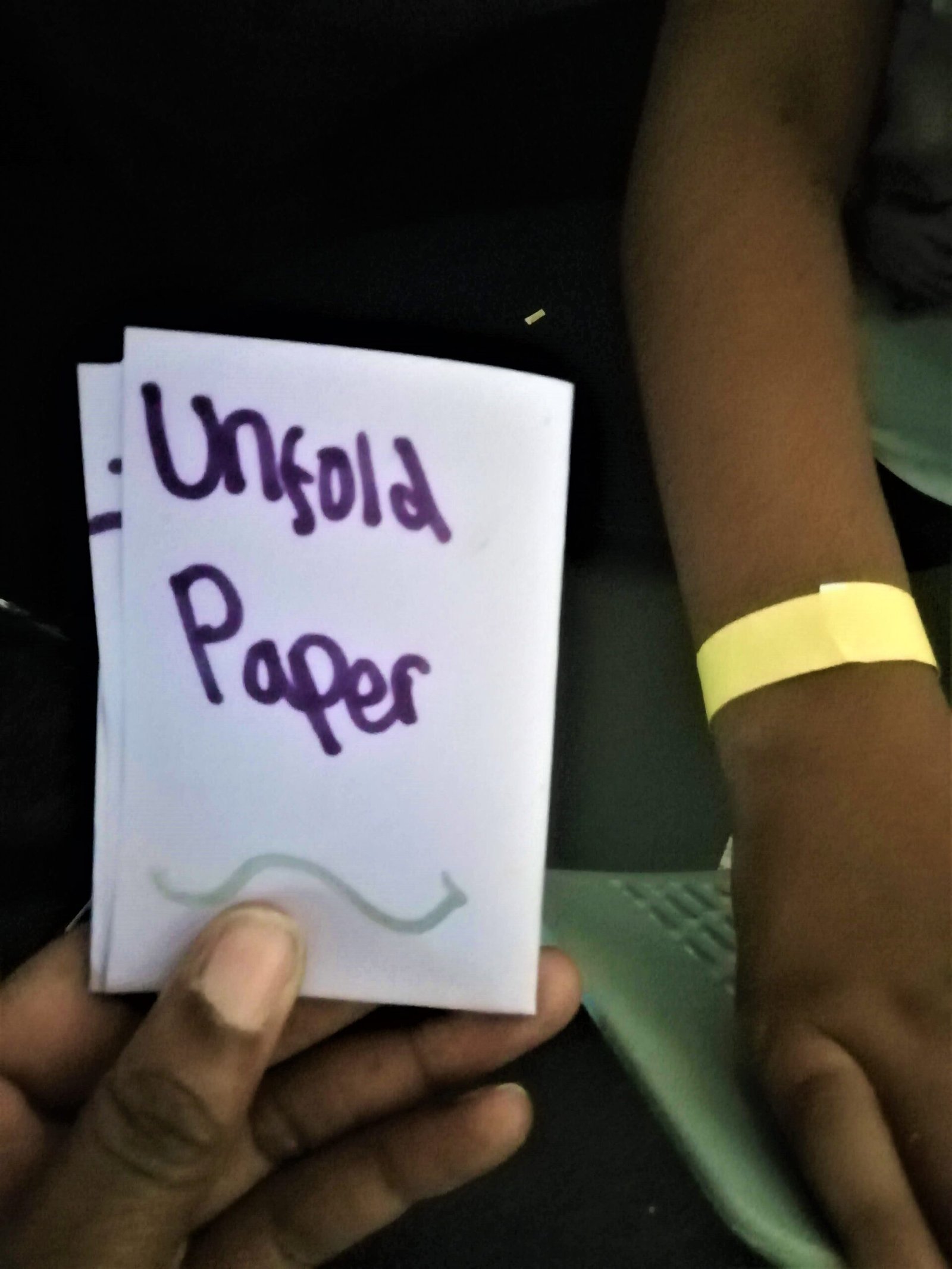
Fold lengthwise again, bringing the long edges together. Hold the two short ends and gently push them toward one another. The slit opens into a diamond. Continue easing the panels together until they form four double-sided leaves meeting like a cross; fold those leaves around one another into a small book.
Do not force a crease that wants to buckle. Open the sheet, check the central cut and try again. The Sedgwick Museum’s two-page folding guide, also checked October 18, 2026, provides a visual reference for this transition.
4. Number before you decorate
Choose a front cover. Turn the pages in normal reading order and pencil in numbers 1 through 8, including both covers. Put a small upward arrow beside every number. Unfold the sheet and keep those marks: they tell you where each page belongs and which way its content must face.

Whitworth University Library’s Making Zines guide, updated August 28, 2026, recommends a numbered mock-up to work out this page arrangement, called imposition. Leave about a quarter-inch margin inside each panel and use strong contrast for copying.
Give the small format a clear subject
Try this original eight-page plan: a cover called “Five Things I Noticed Today”; one observation and a small drawing on each of pages 2–6; a question for the reader on page 7; and your name, date and image credits on the back. A few readable lines per panel are more useful than squeezing in a full essay.
Work with the numbering arrows facing upward for each panel. Fold the booklet again after a couple of pages to check the reading direction. Use your own artwork or material whose reuse terms you have checked if you intend to distribute copies.
Make one proof copy
Unfold your finished master and copy the decorated side onto a fresh sheet. Fold and cut that copy using the same sequence. Read it from cover to cover before making a batch. Check the order, orientation, margins and smallest lettering; then correct the master and copy again if needed.
If a page is upside down, use the numbered test booklet to reorient that panel. If words disappear into a fold, move them farther inward. Keep the unfolded master flat and label it with a date so the next copy starts from the version you actually checked.