


News | Alpine Survey
Mont Blanc’s New Height: Higher Than 2023, Lower Than 2025
The latest survey puts the snow-covered summit at 4,807.47 meters. Whether that sounds higher or lower depends on the year beside it.
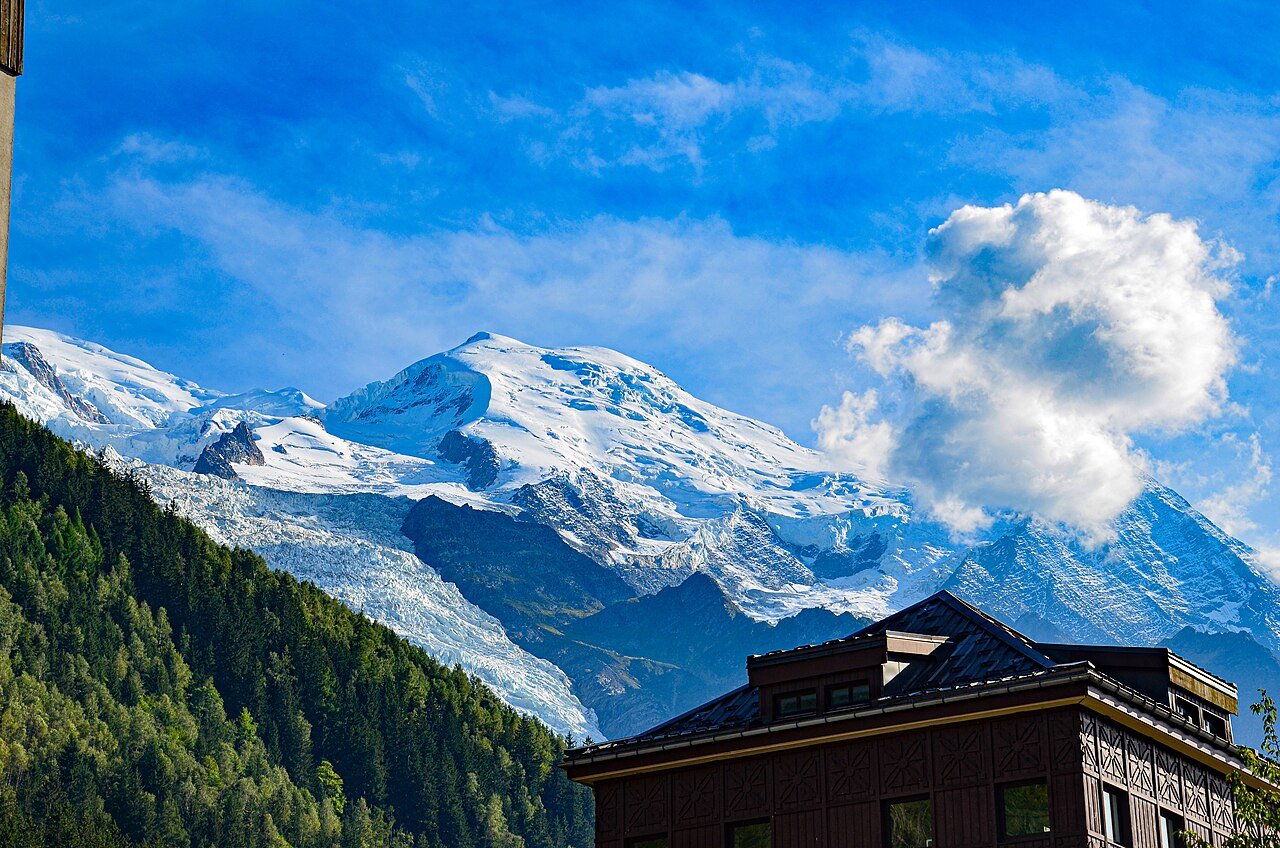
Cover: Mont Blanc seen from Chamonix, September 3, 2023. Archival photograph, not the 2026 expedition. Photo: David Kratschmann / Wikimedia Commons, CC BY 4.0. Uncropped Commons resized version.
A new reading for a changing summit
Mont Blanc’s measured altitude is now 4,807.47 meters, according to the French surveyors’ announcement at Saint-Gervais on Wednesday, October 14. The figure describes the snow-covered summit of the Alps’ highest mountain. Radio Mont Blanc reports that the field campaign ran from September 15 to 17.
Keep the comparison year attached
The organizers’ official record lists four recent readings:
- 2023: 4,805.59 meters
- 2024: 4,808.51 meters
- 2025: 4,808.76 meters
- 2026: 4,807.47 meters
Subtracting those published values gives a rise of 1.88 meters since 2023, but a fall of 1.29 meters since 2025. Against 2024, the latest reading is 1.04 meters lower. These are comparisons of measured summit altitudes, not measurements of the rock mountain growing or shrinking by those amounts.
The distinction also explains why 2023 should not be called the previous survey. UNGE identifies it as the previous official communication; measurements were made in the intervening years. Conditions and timing matter, too: the organizers’ history says the weather-delayed 2024 measurement was completed on November 6.
More than an altitude
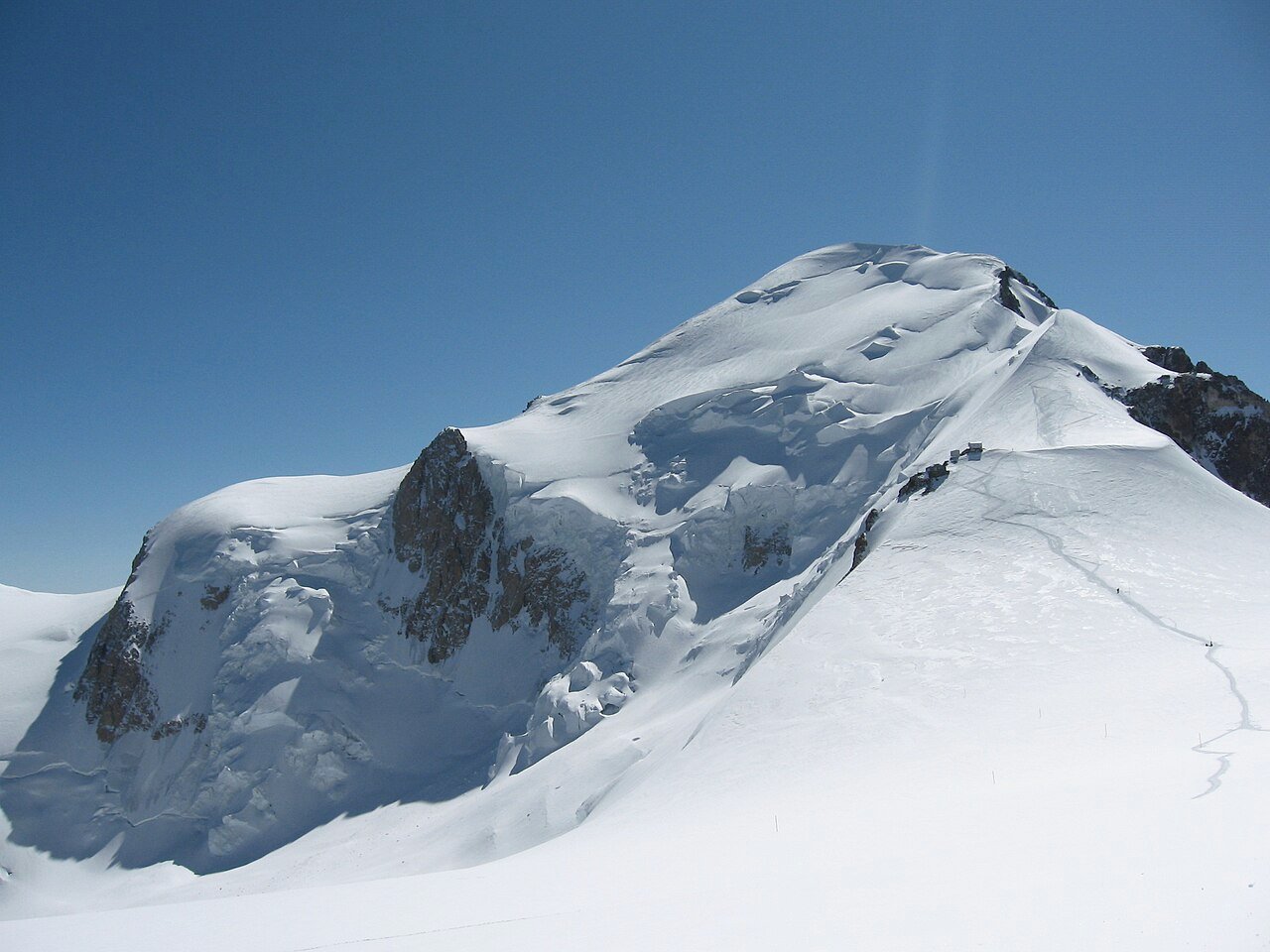
Snow accumulation and wind redistribution help reshape the summit’s white cap. The 2026 campaign combined satellite positioning and drone-based three-dimensional modelling with ground-penetrating radar examining the concealed rock surface. The surveyors also announced IGN’s first gravity measurement at the summit.
Gravity adds a baseline
IGN’s account of the expedition explains the interpretation problem: elevation alone cannot confidently separate changes in the underlying rock from changes in the ice. Gravity observations add information, but require modelling and repeated measurements at the same location. The new instrument does not turn this year’s altitude into a completed explanation of its cause.
One height is not a climate verdict
A higher reading than 2023 does not establish a recovery of Alpine glaciers. A peer-reviewed study published online in November 2023 found exceptional thinning during the 2021/22 mass-balance year across the elevation range of Mont-Blanc glaciers, including upper areas that had previously been relatively stable. That research concerns glacier change over a different period, not attribution of the September 2026 summit reading.
The useful takeaway
Keep the number, its observation date and its baseline together. The 2026 result is higher than 2023 and lower than 2025. The longer record, alongside measurements of the ice and rock beneath the surface, is what gives those fluctuations scientific value.
Sources and reporting notes
Checked October 15, 2026. This source-based report does not describe an OnelROR expedition. The three photographs are archival illustrations.
- UNGE announcement — October 14, 2026; result and comparison series.
- Haute-Savoie surveyors: measurement history — current official record, retrieved October 15.
- IGN: summit gravity expedition — September 15, updated October 14, 2026; instruments and limitations.
- Radio Mont Blanc — October 14, 2026; independent local reporting of the field campaign.
- Berthier, Vincent and Six, Journal of Glaciology — online November 29, 2023, 2024 volume; 2021/22 glacier thinning.