


NOCO Boost GB40: Fit Checks and Safety Limits Before You Buy
As an Amazon Associate, ONELROR earns from qualifying purchases.
A compact jump starter can be reassuring to carry, but the right choice starts with the vehicle and the battery—not the highest amp number on a box. The NOCO Boost GB40 is a portable 12-volt lithium jump starter rated by NOCO for gasoline engines up to 6.0 liters and diesel engines up to 3.0 liters. Those are manufacturer limits, not a promise that every vehicle within them will start in every condition.
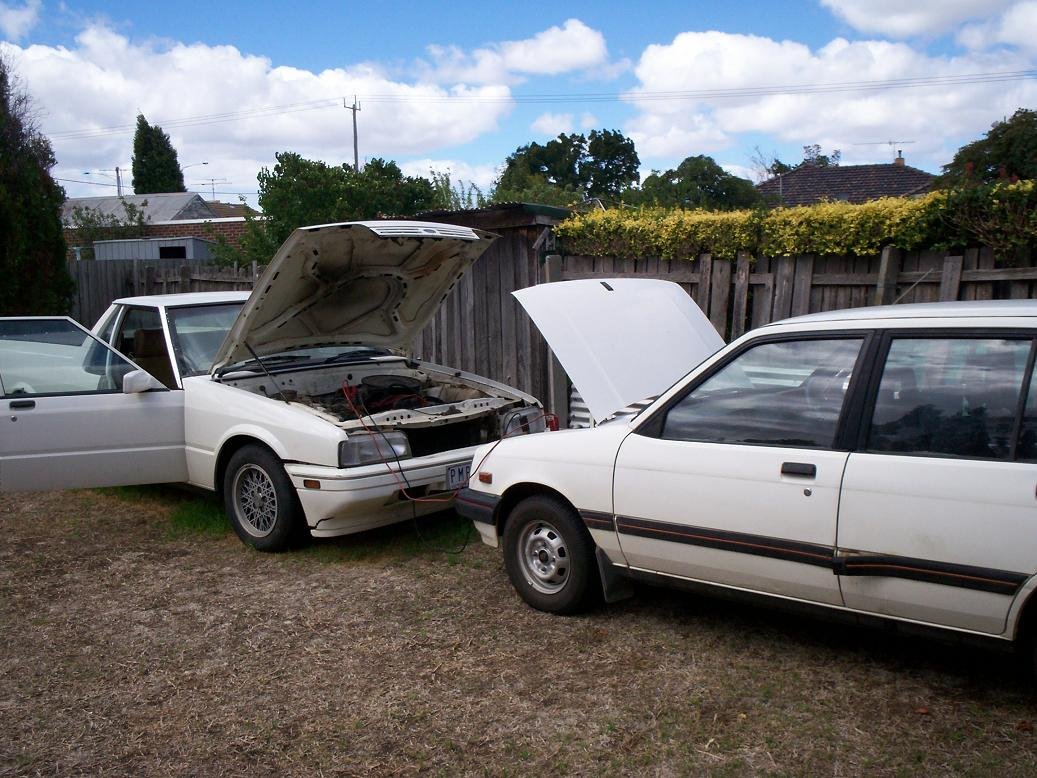
Photo credit: Longhair, “Jump starting,” CC BY 2.5, Wikimedia Commons. This is a general jump-starting scene, not a photo of the NOCO GB40. Source: Wikimedia Commons file page; license.
First check whether the GB40 fits your vehicle
Start with the owner’s manual for your car, truck, motorcycle, boat, or other equipment. Confirm that it uses a 12-volt lead-acid starting battery and identify the manufacturer-approved jump-starting points. NOCO says the GB40 is intended for 12-volt lead-acid batteries. A 24-volt system or a different battery chemistry is outside that stated use.
Next, compare your engine size with the manufacturer’s stated range: up to 6.0 liters for gasoline and 3.0 liters for diesel. Treat those numbers as a screening check, not a guarantee. Vehicle design, battery condition, temperature, and the vehicle maker’s own instructions all matter. If your manual prohibits portable jump starters or specifies a different procedure, follow the manual.
- System voltage: verify 12 volts; do not infer it from the vehicle’s size or age.
- Battery type: confirm lead-acid compatibility in both manuals.
- Engine size: compare the exact displacement with NOCO’s published range.
- Connection points: locate approved positive and ground points before an emergency.
NOCO describes the GB40’s clamps as having spark-proof and reverse-polarity protection. Treat those as protective features, not permission to ignore the indicators or the instructions. NOCO’s support guidance says not to jump-start a damaged or frozen battery. Its manual also explains that manual override disables safety protections; do not use that function casually or as a workaround for a warning.
What the size and included kit mean in practice
NOCO lists the GB40 at about 2.4 pounds and specifies an IP65 rating when the ports are closed. That makes storage and handling worth considering: check the dimensions against your glove box or roadside kit, keep the cable set together, and close the protective port cover before storage. IP65 is a condition-dependent rating, not a reason to submerge or leave the unit exposed.
The Amazon listing for ASIN B015TKUPIC identifies the GB40 package and its included clamps, charging cable, storage bag, and user guide. Review the current box contents on the listing before purchase because packaging can change. Do not assume that accessories shown in a contextual photo are included.

Photo credit: Dmitry G, “CRX1221.JPG,” CC BY-SA 3.0, Wikimedia Commons. It shows a different lithium jump starter and is included only as context—not the NOCO GB40. Source: Wikimedia Commons file page; license.
Plan for safe use before you need it
Read the vehicle manual and GB40 guide while you have time, then keep the GB40 charged according to NOCO’s storage and maintenance instructions. Before each use, inspect the battery and the cables. Stop if the battery is damaged, swollen, leaking, or frozen, or if a cable or clamp is damaged. If you cannot identify the correct connection points, ask roadside assistance or a qualified technician rather than guessing.
Use the exact connection sequence in the vehicle and GB40 manuals. Keep clamps from touching each other, moving belts, fans, or other metal parts; do not lean over the battery. If the polarity or status indicator signals a problem, disconnect and reassess according to the guide. NOCO’s “manual override” changes the protection behavior, so this buying guide does not recommend using it to defeat a warning.
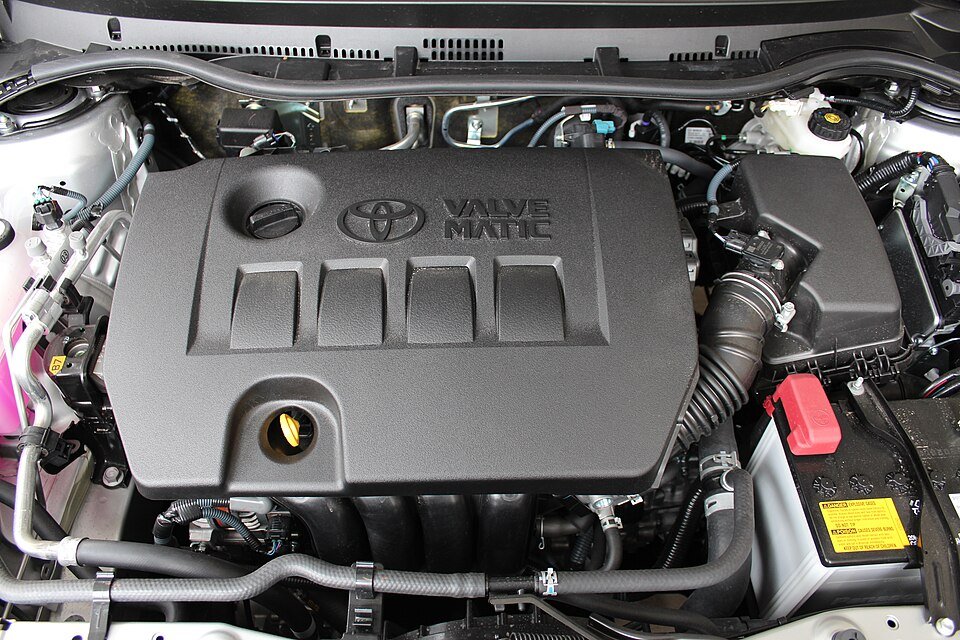
Photo credit: Blueck, “Toyota 2ZR-FAE Engine,” CC BY-SA 4.0, Wikimedia Commons. This unrelated Toyota engine bay illustrates the under-hood setting only; it does not show the GB40 or establish compatibility with a vehicle. Source: Wikimedia Commons file page; license.
A short pre-purchase checklist
- Verify the vehicle’s voltage, battery chemistry, engine displacement, and approved jump points in its manual.
- Compare those details with NOCO’s GB40 specification and safety guidance.
- Check the package contents and whether the unit’s dimensions suit your storage space.
- Decide whether you can follow the manuals and inspect the battery safely. If not, a roadside-assistance plan may be a better fit.
The GB40 may suit someone who wants a compact, rechargeable 12-volt jump starter and whose vehicle falls within the manufacturer’s stated limits. It is not a universal fit, a substitute for vehicle-specific instructions, or a reason to attempt a jump on a damaged or frozen battery. Check the official GB40 specifications, NOCO support page, and user guide before deciding. If it fits your requirements, check the NOCO GB40 listing on Amazon and confirm the exact ASIN and package before ordering.
Sources: NOCO GB40; NOCO GB40 support and safety guidance; NOCO GB40 user guide. — By OnelROR Editorial Team · October 27, 2026 · 4-minute read



