


Read a Light Bulb Box: Brightness, Color and Fit Are Different Checks
Useful Things · Home Lighting
Read a Light Bulb Box: Brightness, Color and Fit Are Different Checks
Start with lumens for light output, Kelvin for color appearance and the fixture’s requirements for compatibility. A bulb can match one of these and still be wrong for the lamp.
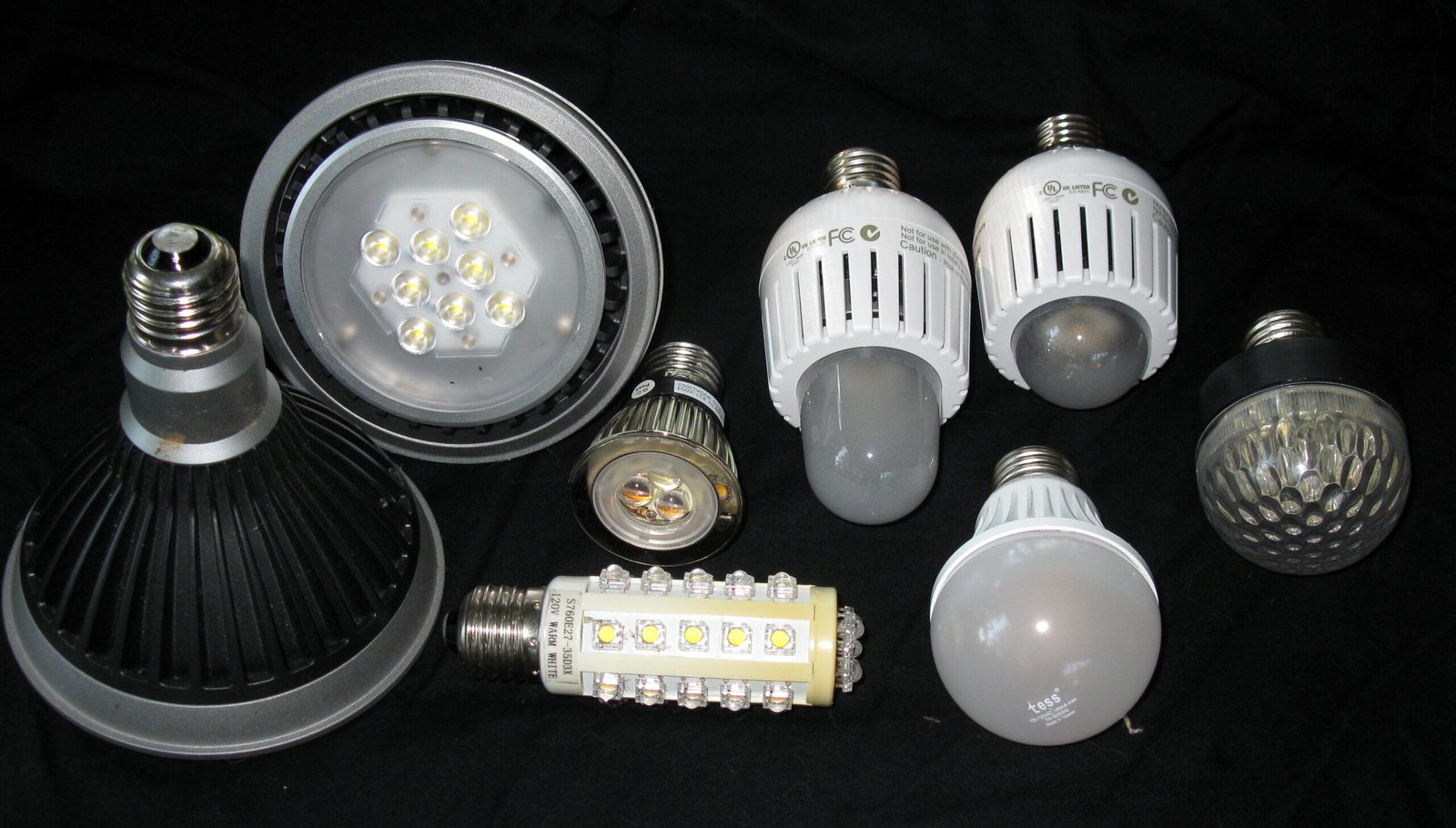
Featured archival photograph: assorted screw-base LEDs, uploaded in 2010, not a current product selection. Geoffrey A. Landis / Geoffrey.landis, CC BY 3.0. Unmodified.
Separate light output from electrical power
The Department of Energy’s 2021 consumer guide distinguishes lumens, a measure of light output, from watts, a measure of electrical power. Its example for replacing a traditional 75-watt incandescent is approximately 1,100 lumens. That does not mean the replacement LED must consume 75 watts.
Compare the lumen figure first when you want similar brightness. Then compare actual watts among suitable options. An “equivalent” wattage is a comparison with older lighting, not the bulb’s own power consumption.
Choose color separately
The Kelvin number describes the appearance of the light, not how much light the bulb produces. Lower numbers look warmer and more yellow; higher numbers look cooler or bluer. Two bulbs can have the same lumen output and noticeably different color.
A practical shopping note has separate spaces for lumens and Kelvin. If you like an existing room’s appearance, record both numbers from its bulb or packaging rather than remembering only a name such as “bright white.”
Check the lamp, not just the box front
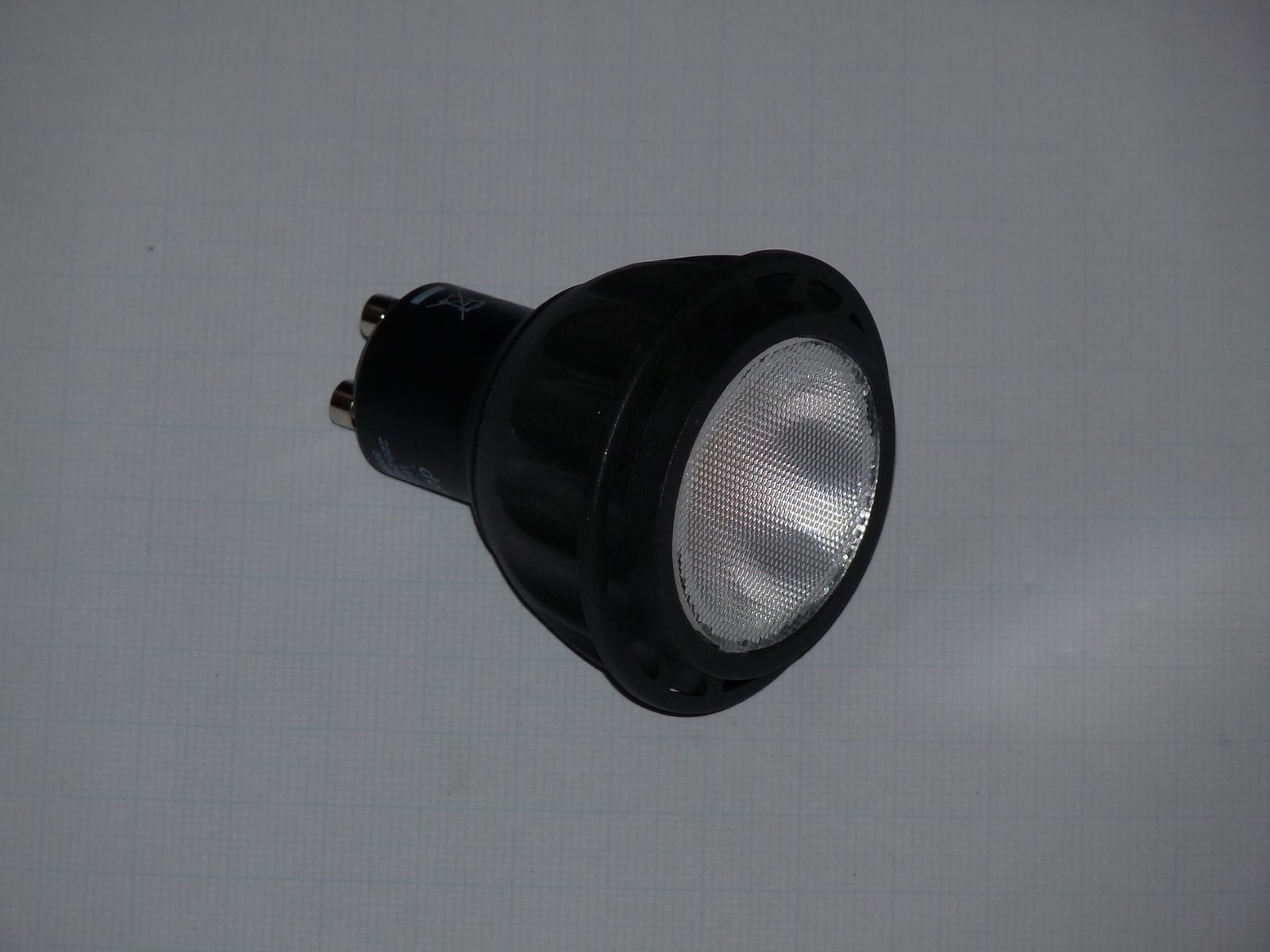
GE Lighting’s FAQ says to follow the fixture manufacturer’s specifications for wattage, voltage and bulb shape. Match the base too, and check the bulb’s physical dimensions against the available space. Do not force a bulb into a socket or treat a similar-looking base as proof of compatibility.
For an enclosed fixture, look for explicit suitability on the LED’s packaging or specifications. GE warns that using an unsuitable LED in an enclosure can reduce its life and light output. If the fixture has a dimmer, confirm that the exact bulb and dimmer combination is supported; a low wattage alone does not establish that.

Make a short replacement note
Before shopping, write down the fixture’s required base, voltage and maximum permitted wattage; the space available; your preferred lumens and Kelvin; and any dimmer or enclosure requirement. Photograph the existing labels if that is easier. Check these items against the exact replacement’s documentation before buying a multipack.
Switch the lamp off and let the old bulb cool before handling it. This guide is for choosing a replacement bulb, not repairing a fixture or altering wiring. If the fixture is damaged or its requirements cannot be established, stop and have it checked.
Sources checked October 19, 2026. The DOE guide is dated 2021; the GE FAQ has no visible publication date. Archival photographs do not represent tested or recommended products. No endorsement by manufacturers or photographers is implied.