


How to Sort and Recycle Household Batteries Safely
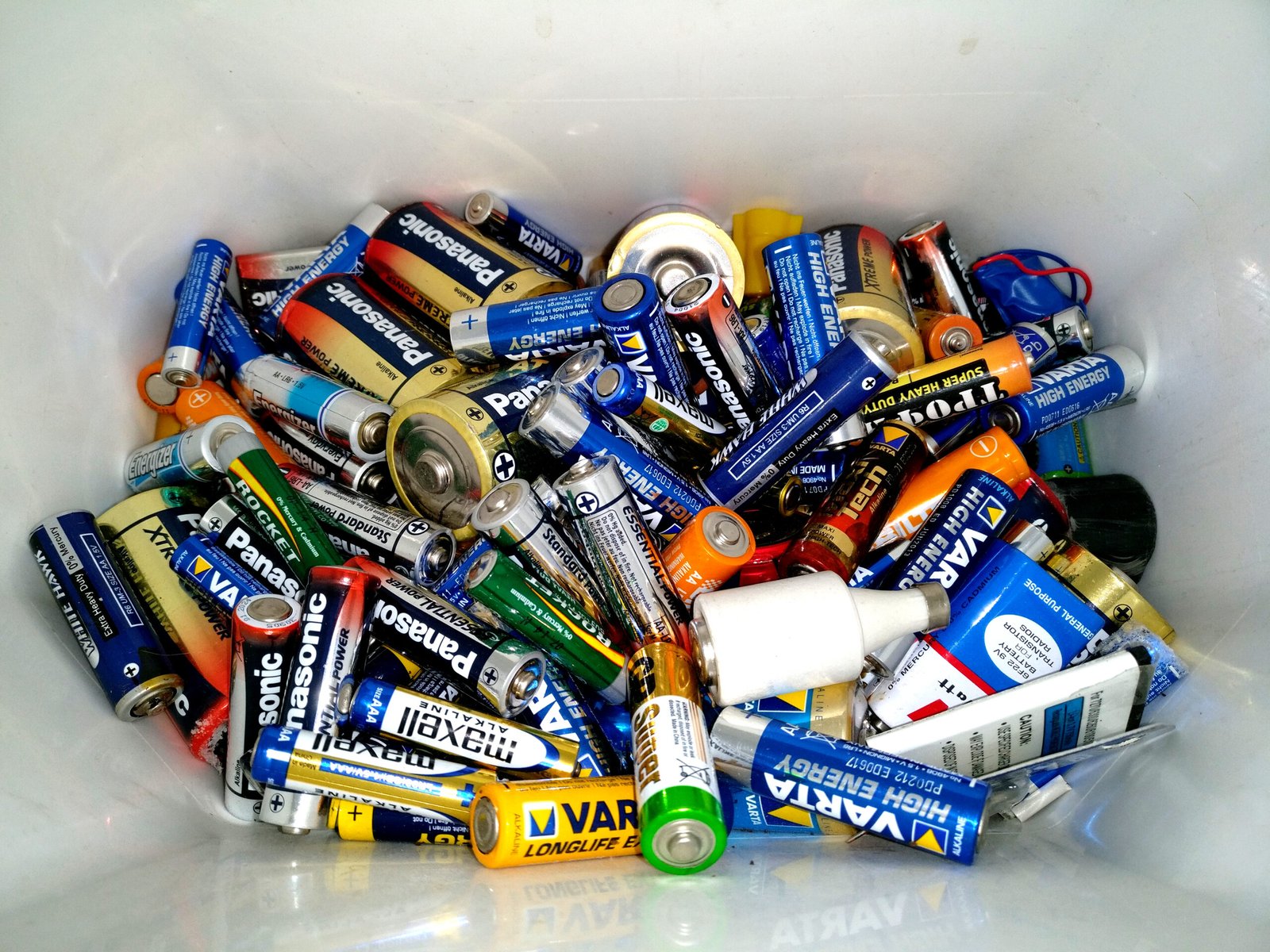
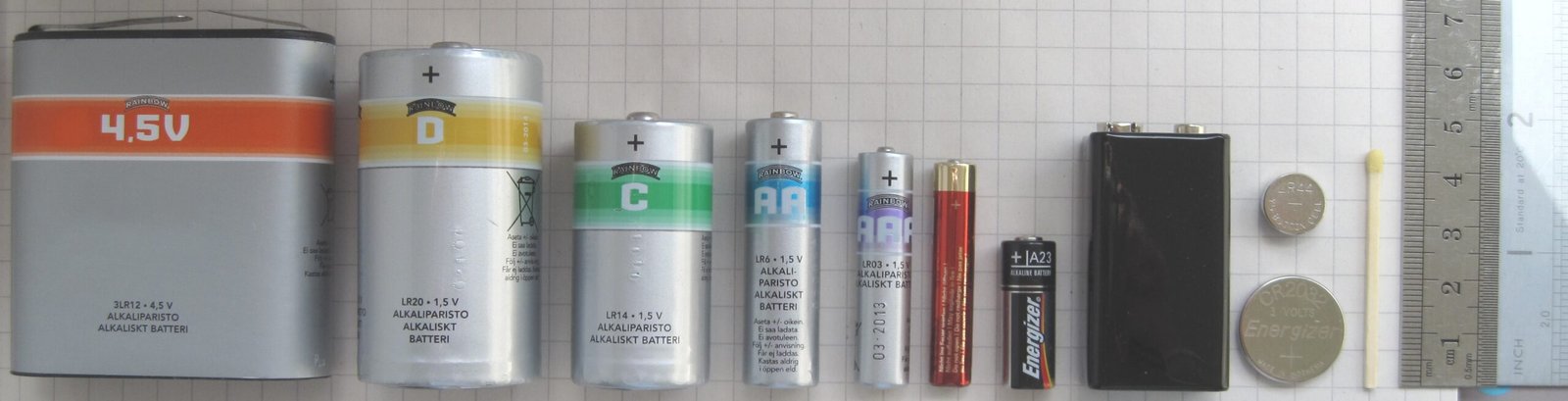
Household batteries come in familiar sizes, but their disposal rules depend on chemistry and condition. A lithium-ion pack from a rechargeable device needs a different route from many everyday alkaline cells. A quick check of the label and your local collection rules can help you choose the right one.
Identify the battery before sorting it
Read the battery case, device markings, or manual for terms such as “lithium-ion,” “Li-ion,” “lithium metal,” “alkaline,” “Ni-Cd,” or “NiMH.” The U.S. Environmental Protection Agency (EPA) notes that chemistry is identified by markings and labels, not reliably by shape or label color. If a battery is built into a device, do not pry it out unless the manufacturer says it is user-removable.
Keep lithium-ion batteries out of household bins
Rechargeable lithium-ion batteries are found in phones, laptops, cameras, toys, power tools, and many other devices. EPA says batteries containing lithium-ion chemistry—and devices that contain them—should not go in household garbage or curbside recycling. They can be damaged in transport or sorting, creating a fire hazard. Instead, use a separate battery recycling program, a participating take-back service, or a household hazardous waste collection site that accepts that battery or device.
Before collection, EPA recommends covering exposed terminals with non-conductive tape or placing each battery in its own plastic bag to reduce contact with metal. Keep the chemistry label readable when practical. Check the program’s instructions before packing or mailing anything: shipping lithium batteries has additional requirements, and damaged, defective, or recalled batteries need special handling.
For a phone or other device with a built-in battery, do not force the case open. Ask the maker, an electronics take-back service, or your local waste agency where to take the intact device.
Check local rules for other small batteries
Single-use alkaline AA and AAA cells, button or coin batteries, lithium-metal cells, nickel-cadmium (Ni-Cd), and nickel-metal-hydride (NiMH) batteries do not all share one collection rule. EPA’s household guidance describes separate recycling and household hazardous waste options, while rules for alkaline batteries can vary by state and municipality. Some localities allow alkaline cells in household trash; EPA still encourages residents to use household hazardous waste collection for safe management. Do not assume that a curbside recycling cart accepts any loose battery.
A vehicle starter battery, a large e-bike or mobility pack, and an electric-vehicle battery are outside this small-battery guide. Follow the manufacturer, retailer, dealer, or local hazardous-waste program’s instructions for those larger systems.
Handle damaged batteries as a separate case
Do not mix a swollen, leaking, corroded, recalled, or otherwise damaged battery with intact cells or place it in a routine trash or recycling bin. EPA guidance says damaged and defective batteries require separate management; lithium batteries pose greater fire and health risks than other chemistries. Contact the battery or device manufacturer and your state, county, or local household hazardous waste program for instructions before taking it anywhere. Confirm that a collection site accepts the battery in its current condition. Do not improvise a shipping package for a damaged lithium battery.
A simple collection checklist
- Read the battery or device label; do not guess from size or color.
- Keep lithium-ion batteries and devices out of household garbage and curbside recycling.
- For intact lithium-ion cells, isolate terminals with non-conductive tape or bag each battery separately, following the program’s instructions.
- Check local rules and confirm the drop-off accepts the battery type and condition.
- Ask for specific guidance before moving a damaged, defective, or recalled battery.
When the chemistry is unclear, pause and ask your local solid-waste or household hazardous waste agency. A collection point’s rules are more useful than a guess based on a familiar battery shape.
Official sources
- U.S. EPA: Used Household Batteries (updated July 21, 2026)
- U.S. EPA: Used Lithium-Ion Batteries
- U.S. EPA: Frequent Questions on Lithium-Ion Batteries (updated April 14, 2026)
- U.S. EPA: Household Small-Format Damaged and Defective Battery Tip Sheet (updated July 22, 2026)
Image credits
- Featured photo: Santeri Viinamäki, Battery recycling, 2016, CC BY-SA 4.0, Wikimedia Commons; unmodified.
- Battery-size comparison: Lead holder, 2011, CC BY-SA 3.0, Wikimedia Commons; unmodified.
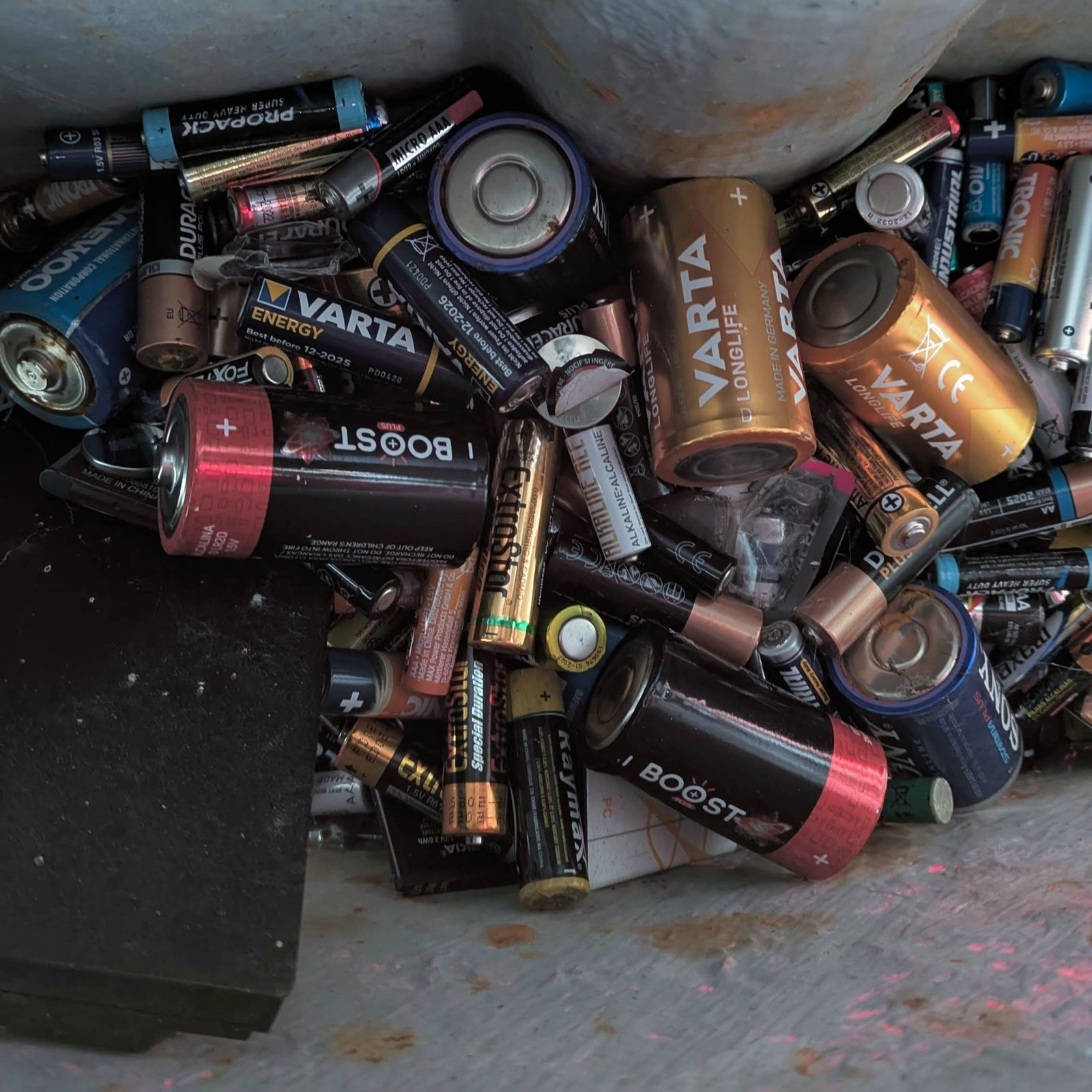
- Collection-container photo: Waldyrious, 2026, CC BY-SA 4.0, Wikimedia Commons; unmodified.
Sources accessed October 24, 2026.
Written by OnelROR Editorial Team. October 24, 2026. 4-minute read.