

How to Read a Wild Bird Seed Blend Before You Buy
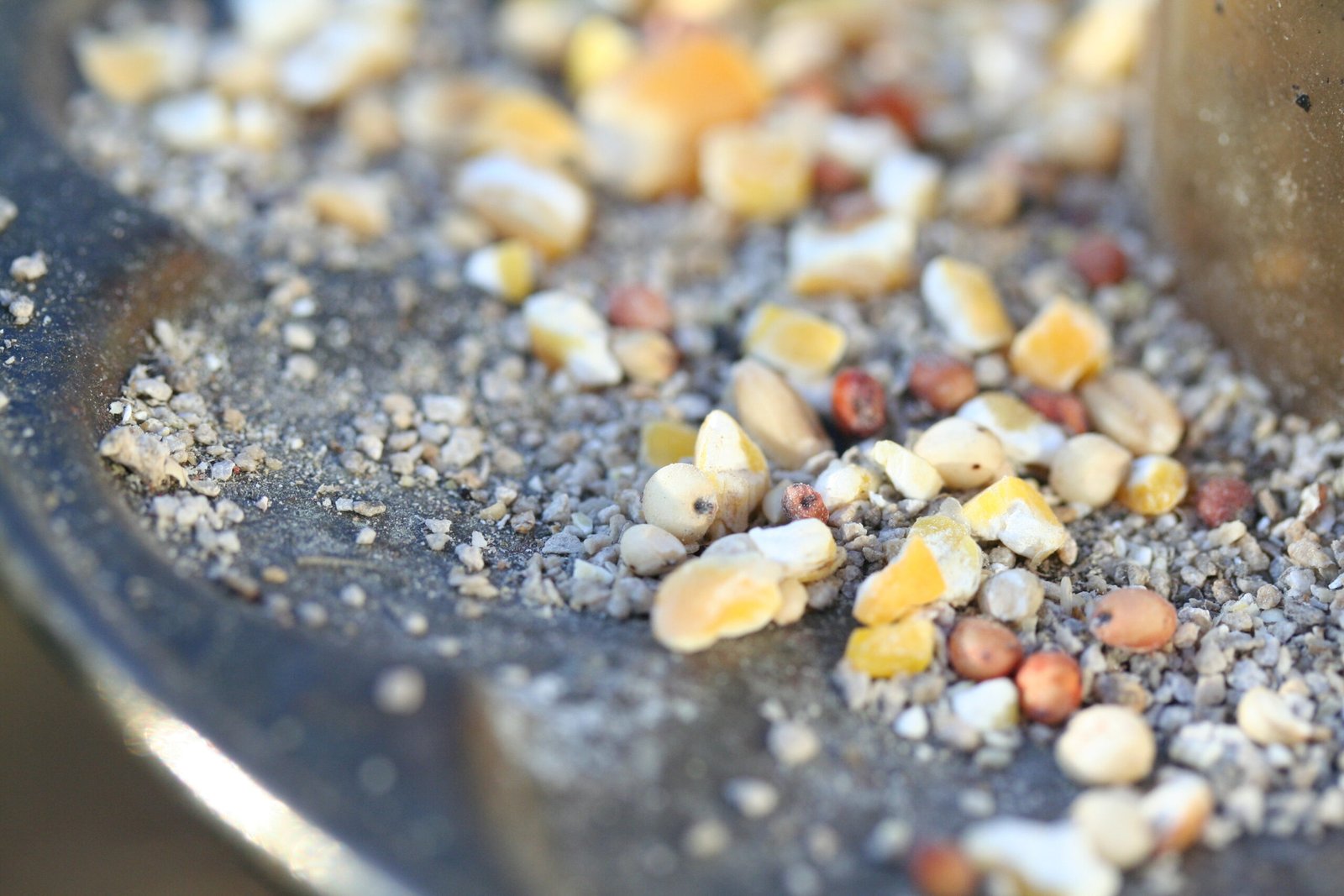
“Wild bird food” sounds simple, but a mixed bag can contain seeds that suit different birds and feeders. A label is more useful when you treat it as a list of ingredients to compare with your local visitors—not as a promise that one blend will attract every species.
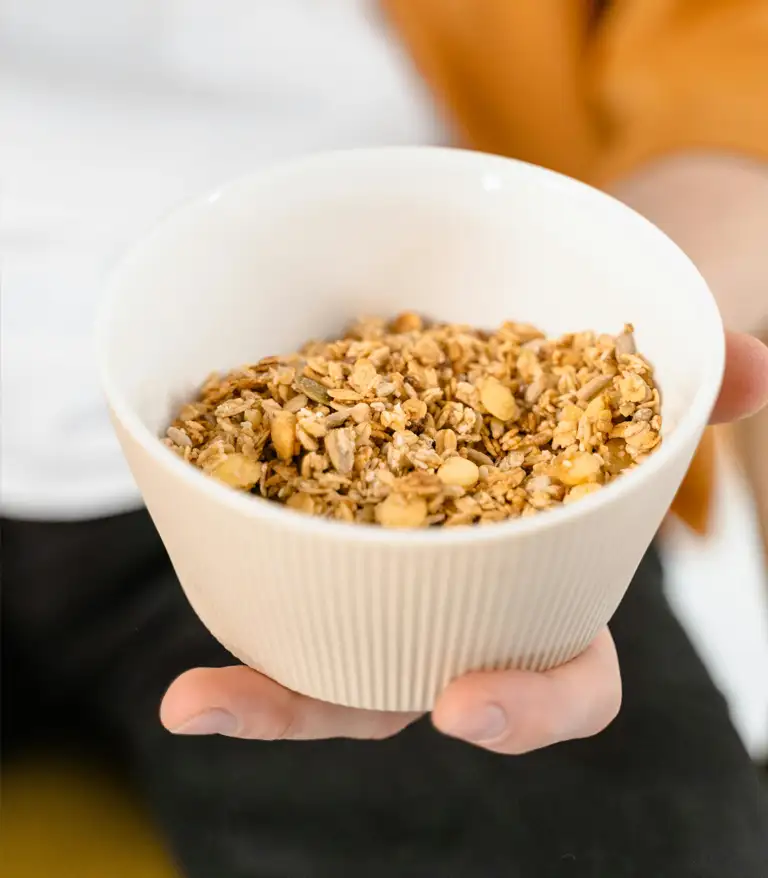
Featured photo: A general seed mixture in a feeder, not the Wagner product pictured in its listing. Photo by Johntex via Wikimedia Commons, CC BY 2.5; no changes made.
As an Amazon Associate I earn from qualifying purchases. This independent guide uses published product details and bird-feeding references; it does not report a hands-on test.
Start with what the label actually says
The Amazon listing identifies Wagner’s Farmer’s Delight as a 10-pound wild bird food with cherry flavor. That tells you package size and a flavor description, but it does not let us infer a complete ingredient formula or predict which birds will visit your yard. Check the current package and listing for the full ingredient statement before choosing it, especially if you are avoiding a particular seed.
For a comparison point, Cornell Lab’s guide to common bird seeds explains that black-oil sunflower has a relatively thin shell and is eaten by many feeder birds. Sunflower kernels are energy-rich, but Cornell cautions that shelled seed can spoil faster, so offer only a small amount at a time. Those are general seed notes, not claims about this bag’s unverified contents.
Match seed and feeder—not just the picture
Different seeds work better with different feeder openings and visiting birds. Cornell’s reference describes how common seeds such as millet, nyjer, and sunflower appeal to different species and may call for different feeder designs. A mixed blend can also leave some ingredients behind if the birds using your feeder prefer only part of it. Watch what disappears and what accumulates, then adjust the amount rather than assuming every ingredient is equally popular.

Keep the seed dry and the portion modest
Storage matters after opening. Cornell’s Project FeederWatch discusses why wet seed should be avoided and recommends keeping seed dry and replacing it when it gets wet, particularly in warm or rainy conditions. Use a clean, dry container with a secure lid, and do not pour fresh seed over damp or spoiled leftovers. Follow local wildlife guidance and the package instructions for feeder hygiene.
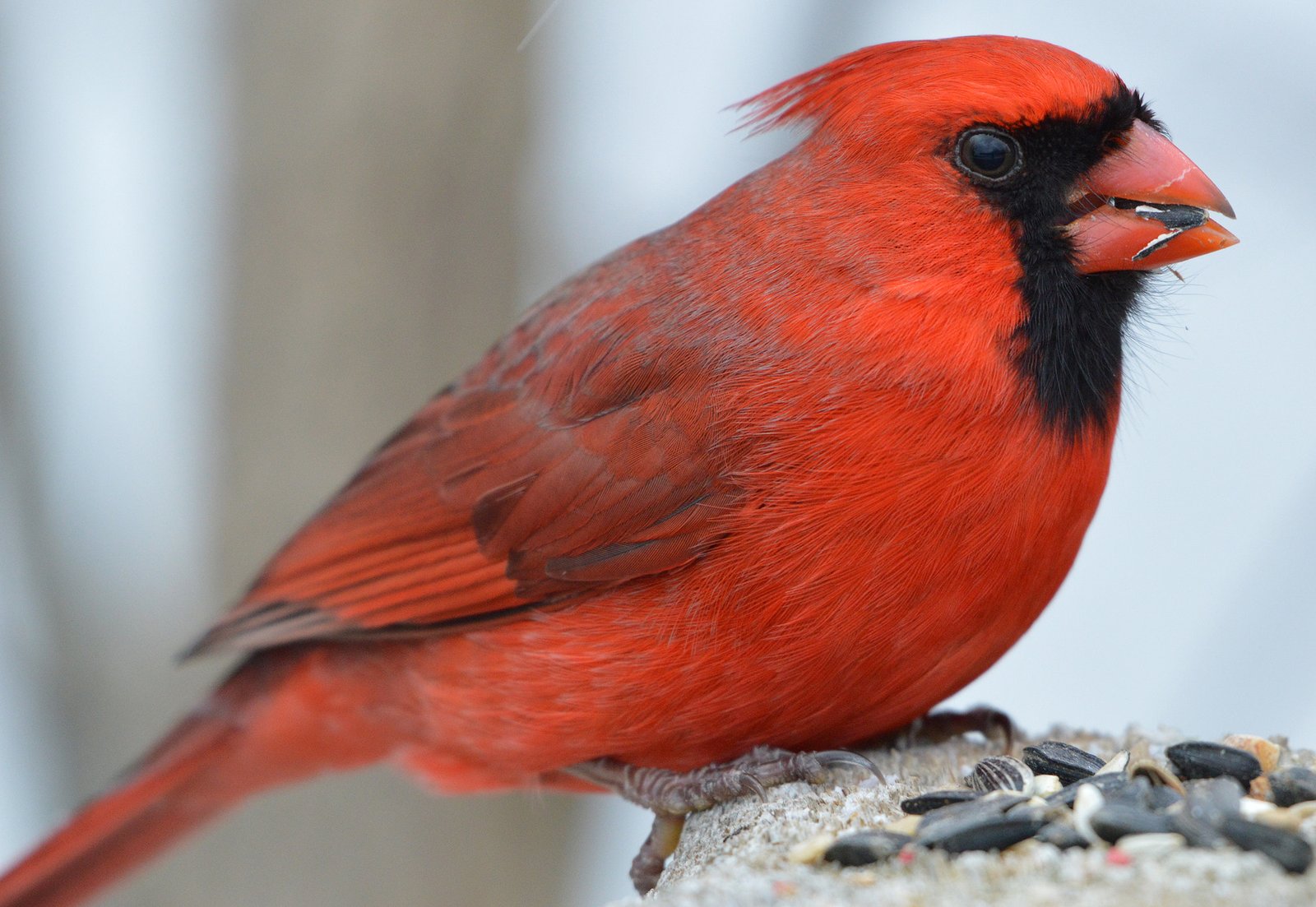
A cardinal eating a sunflower seed is a useful reminder that birds choose individual seeds, not marketing descriptions. The photo below is illustrative and does not show the linked bag.
A simple way to decide
Before buying, read the ingredient list on the package, consider which birds are common in your area, and check that your feeder suits the seed sizes. Start with a manageable amount. If a blend attracts birds but leaves one ingredient untouched, that observation can help you choose a more suitable mix next time. No seed blend guarantees a particular species will appear.
If you want to compare the listing’s current package details, use the link below. Confirm the variant and ingredient information on the retailer page before ordering.
Commission notice: If you buy through this link, OnelROR may earn a commission. Check the current Wagner’s Farmer’s Delight listing on Amazon.
Sources
- Cornell Lab of Ornithology: Types of bird seed—a quick guide
- Cornell Lab Project FeederWatch: Reasons to keep seed dry
- Wagner’s Farmer’s Delight listing (ASIN B00LHE5OSQ)
- Johntex, bird seed mixture in feeder, CC BY 2.5
- Rakoon, pigeon grain mix, CC0 1.0
- Jocelyn Anderson, cardinal, CC0 1.0
Sources accessed October 25, 2026.
Written by OnelROR Editorial Team. October 24, 2026. 3-minute read.