


JEEVONY DV180 Magnetic Dryer Vent Coupling: Fit Checks Before You Buy
By OnelROR Editorial Team · October 27, 2026 · 3-minute read
As an Amazon Associate, ONELROR may earn from qualifying purchases.
An exhaust connector is a fit question before it is a convenience question. The JEEVONY DV180 listing identifies a four-inch fit port and includes a 2.6-foot, four-inch aluminum-foil hose. Its magnetic coupling is intended to make the dryer-to-wall connection easier to connect and disconnect. Those details make it worth checking your existing setup carefully; they do not establish that it fits every dryer, wall outlet, duct route, or local requirement.
Confirm both connection points
Start with the dryer manufacturer’s manual and the installed exhaust outlet. Confirm the outlet diameter, the wall-side connection, and whether your dryer and existing vent materials are compatible with this particular assembly. The JEEVONY product page specifies a four-inch port, but a matching nominal diameter alone does not prove that the whole configuration is suitable.
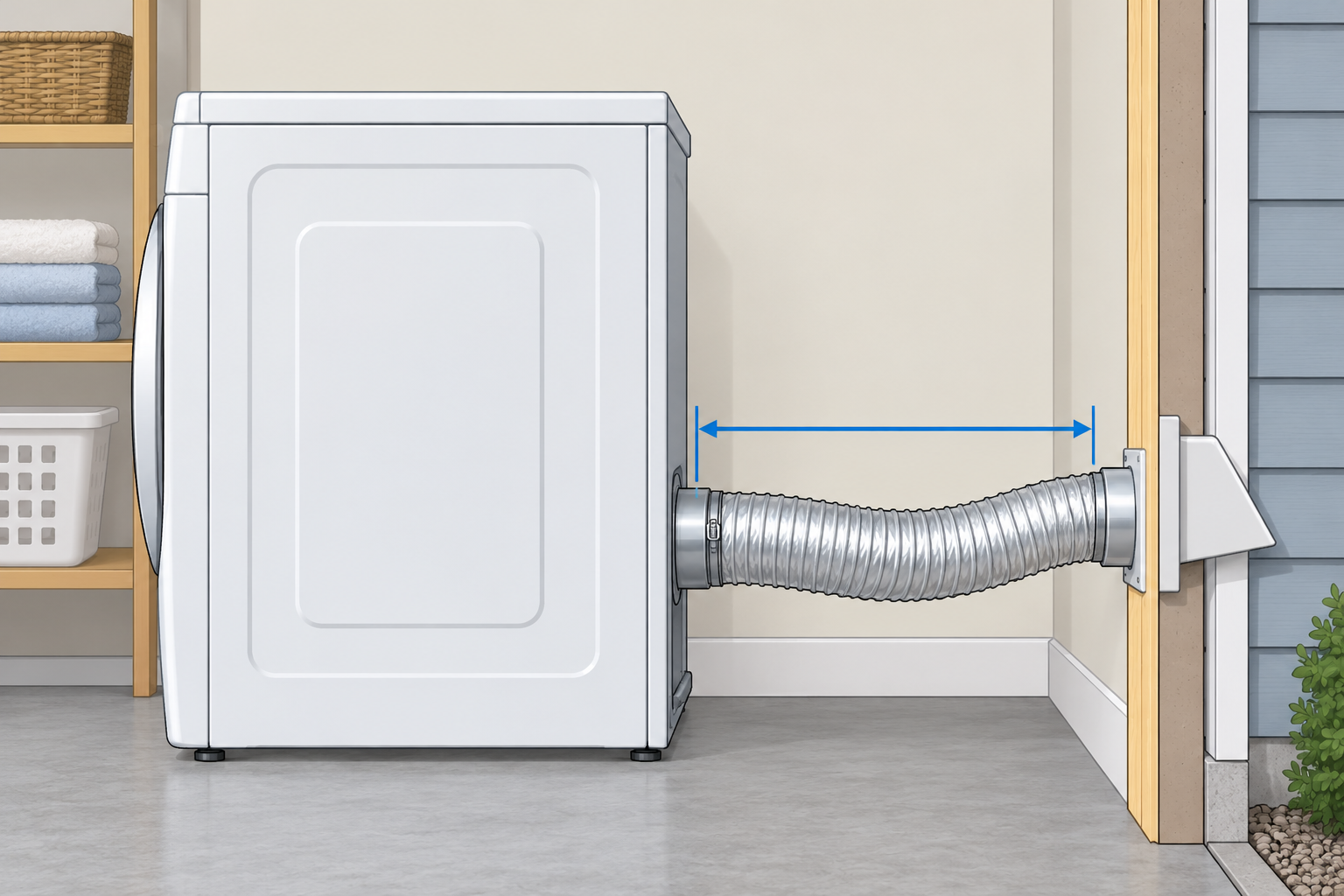
Measure the space between the dryer and wall, including any offset between the two openings. The included hose is 2.6 feet long, but the listing does not establish a universal minimum or maximum installation distance. Avoid planning around a sharply compressed or sharply bent hose; check the user guide and ask a qualified installer if the route is awkward, concealed, or uncertain.

Check what the package lists
JEEVONY lists one DV180 wall assembly, one dryer-vent adapter, one 2.6-foot four-inch aluminum-foil hose, two stainless-steel hose clamps, four wall anchors, and four screws. Compare that list with the exact item page and current manual before ordering. Do not assume that the package includes additional duct sections, tools, or parts needed for a particular wall or dryer.
The manufacturer describes the connection as a magnetic quick-connect design and advertises sealing and material features. Treat these as the maker’s product claims, not as independent test results or a guarantee for your home. This guide has not tested the DV180 and does not certify its fire performance, airflow, or fit with any appliance.
Keep the vent system in view
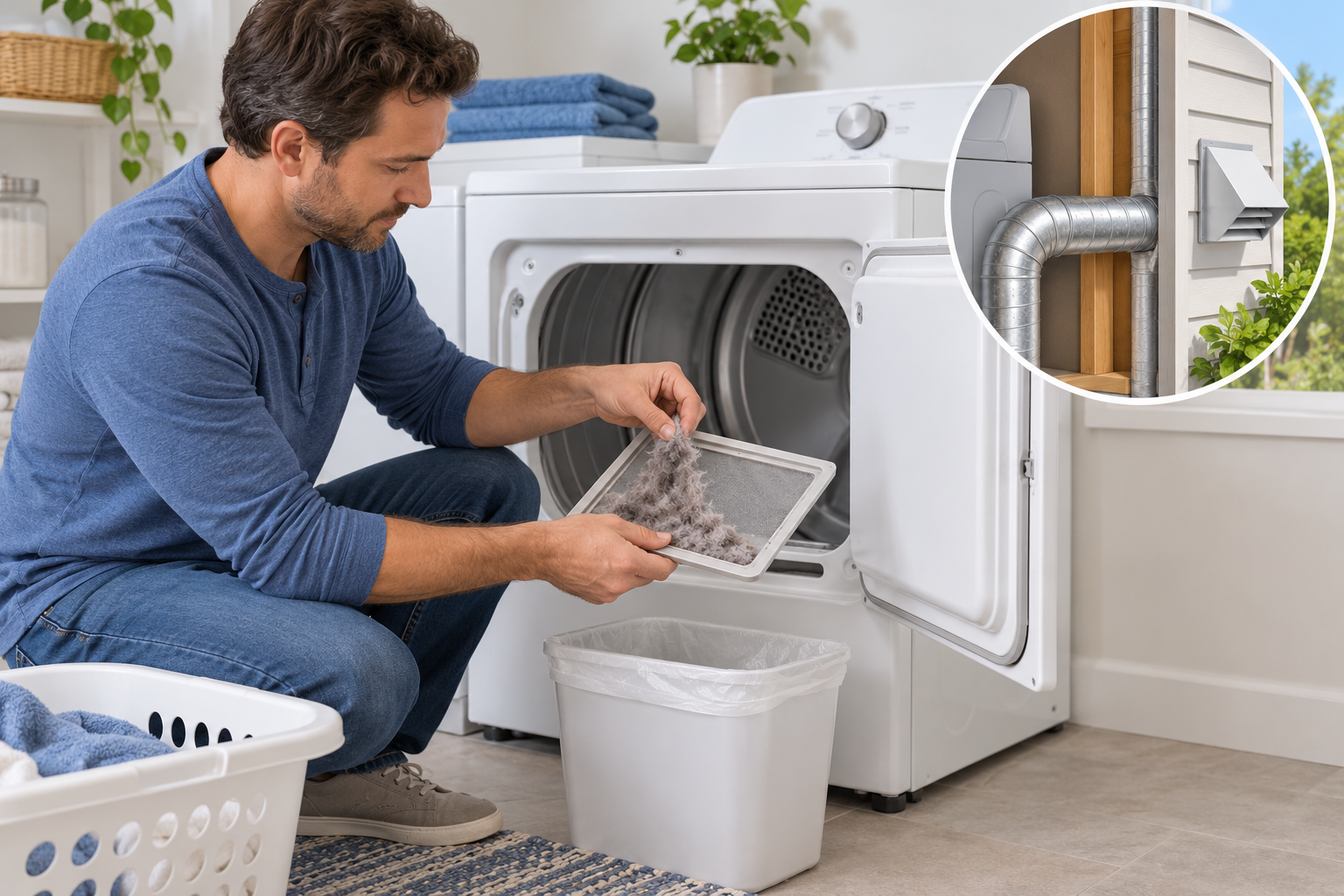
A removable connection does not replace routine lint-filter and exhaust-duct care. The U.S. Fire Administration advises professional dryer installation and service and keeping the lint filter in place and clean. The Consumer Product Safety Commission also warns that lint in a dryer or exhaust duct can obstruct airflow and contribute to overheating. Follow the dryer manual’s maintenance schedule; contact a qualified service professional for a blocked, damaged, concealed, or difficult-to-reach vent.
A short pre-purchase checklist
- Verify that your dryer and wall connection are both designed for a four-inch interface.
- Compare the DV180’s stated 2.6-foot hose length with the actual space and offsets.
- Read the JEEVONY guide and the dryer manufacturer’s manual for material and installation requirements.
- Confirm local requirements and get professional advice when the route or compatibility is unclear.
- Keep regular lint-filter and vent maintenance separate from the connector choice.
The DV180 may be worth considering when its stated dimensions and connection design match a simple, accessible setup. If measurements, duct material, clearance, or local requirements are uncertain, confirm them before buying rather than relying on the product title or marketing claims alone.
Check the JEEVONY DV180 listing on Amazon (affiliate link).
Featured image: original AI-generated contextual illustration by OnelROR; generic clearance concept, not the DV180 or installation instructions.
Sources: JEEVONY DV180 product page; JEEVONY user guide; U.S. Fire Administration dryer safety flyer; CPSC dryer safety guidance.



