


A Quick Smoke Alarm Check: Test, Date, Battery and Placement
A Quick Smoke Alarm Check: Test, Date, Battery and Placement
Reviews & Guides · OnelROR Editorial Team · 21 October 2026 · 3 min read
A working smoke alarm is easy to overlook until it chirps—or stays silent when you press its test button. A short, repeatable check helps you spot missing units, an exhausted battery, or an alarm old enough to replace. Follow the instructions for your specific model and local fire-safety guidance.
Start with coverage, then check the date
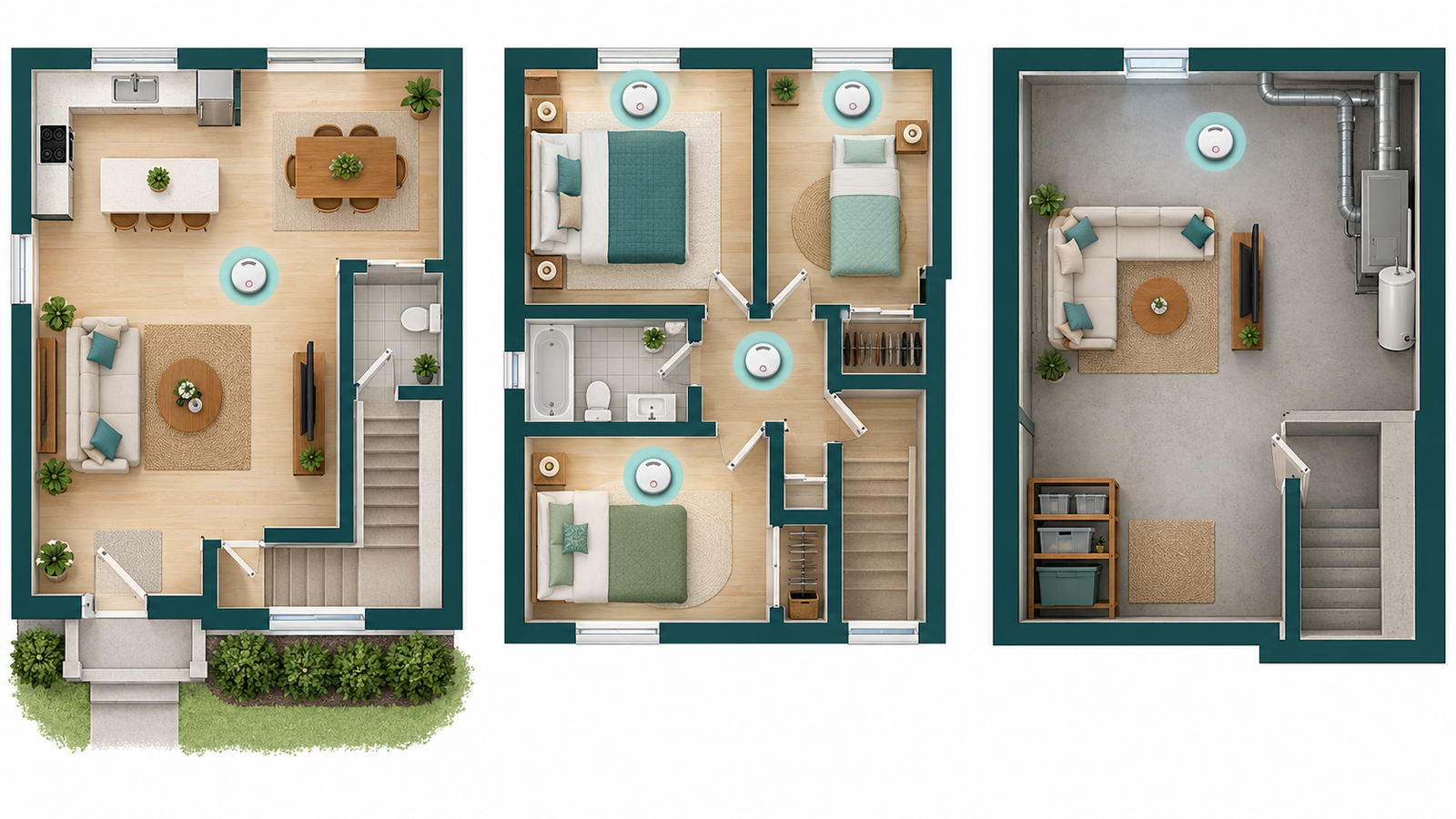
The U.S. Fire Administration recommends smoke alarms inside every bedroom, outside each separate sleeping area, and on every level of a home, including the basement. If you rent, ask the landlord or property manager about a missing or nonworking alarm rather than assuming the installation is your responsibility.
Look for the manufacture date on the alarm or its label. USFA says to replace an alarm 10 years from that date; when the date or instructions are unclear, check the manufacturer’s guidance. A unit that is newer but fails its prescribed test may also need replacement. Don’t rely on its appearance to decide it is still working.
Press the test button monthly
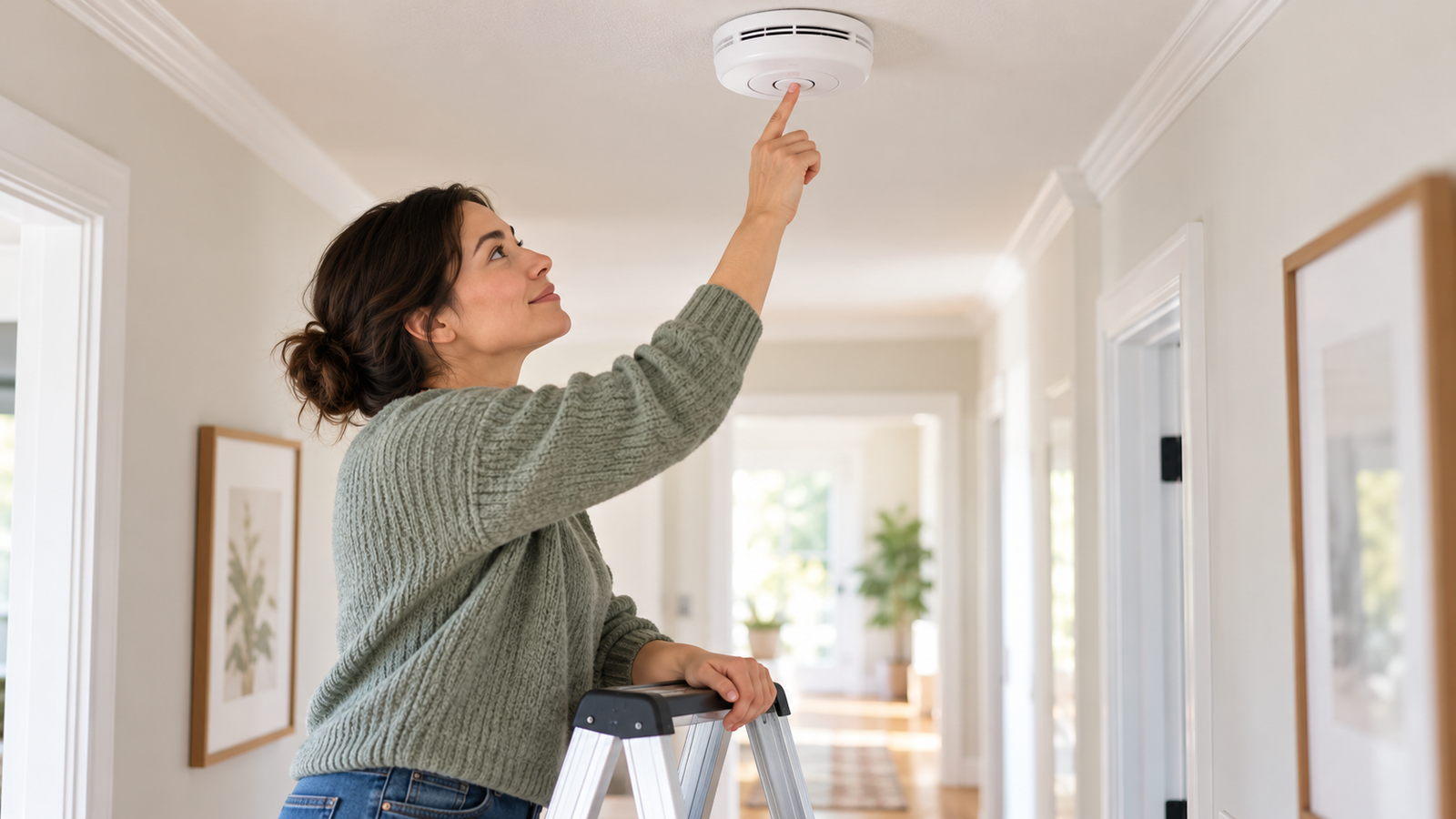
Use the test button at least once a month, following the maker’s instructions. If the alarm does not sound, check the power source and battery guidance for that model, then test again. If it still fails, replace the unit or contact the person responsible for maintaining it.
For alarms that use replaceable batteries, USFA recommends replacing a standard 9-volt battery at least yearly; some models chirp when power is low. Sealed long-life units and hardwired alarms have different power arrangements, so follow the manual rather than applying one battery rule to every device. A hardwired alarm may still depend on a backup battery.
If it sounds while cooking
First decide whether there is actual smoke or fire. If you see danger, get everyone outside and call emergency services from a safe place. If it is clearly a nuisance alarm from cooking, USFA says not to remove the battery: open a door or window and use the hush button if the model has one. Never leave an alarm disabled; restore it to normal operation as soon as the air clears.

A simple reminder that is easy to keep
Write down each alarm’s manufacture date and set a monthly reminder to test them. If you are unsure how to replace a hardwired unit, have a qualified person handle it. USFA’s general guidance is a starting point, not a substitute for the manufacturer’s instructions or local requirements.