


Abidjan Border Forum 2026: Communities Move to the Center of the Agenda
Current News · Africa & Cooperation
Abidjan Border Forum 2026: Communities Move to the Center of the Agenda
The African Union’s October 18 announcement puts border communities at the center of the third Abidjan Border Forum, scheduled for October 20–22 in Côte d’Ivoire. The gathering is still ahead, not a completed summit. Its practical question is how cooperation across a boundary can work for the people who live, travel and trade around it.
OnelROR Editorial Team · October 19, 2026 · Miami (America/New_York) · 3 min read
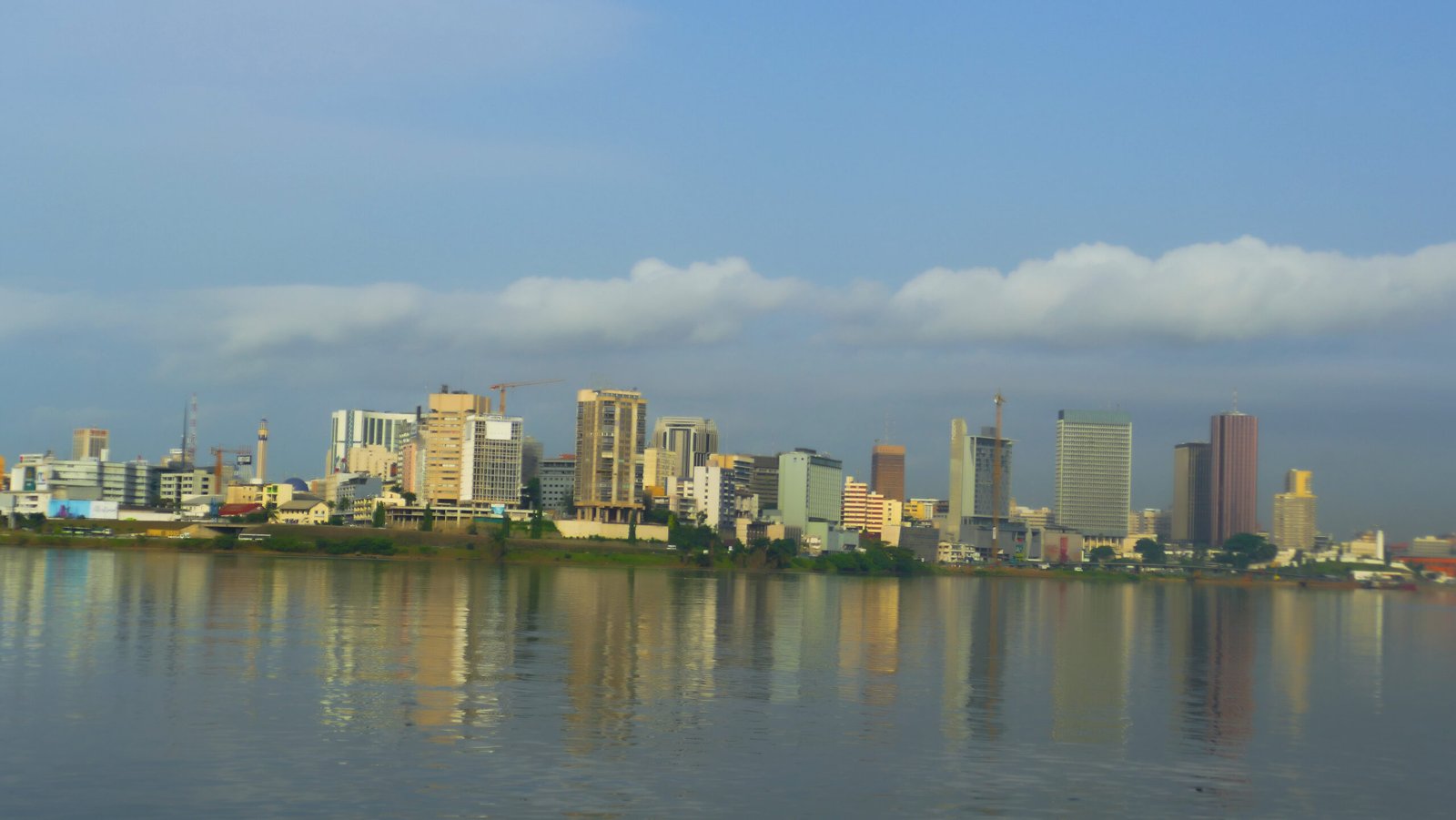
Featured photograph: Archival context photograph, March 2020: Abidjan and the Ébrié Lagoon. Not the 2026 forum. Photo: Aman ADO / Wikimedia Commons, CC BY-SA 4.0. Original uploaded unchanged; WordPress creates resized display copies. No endorsement implied.
What has been announced
Côte d’Ivoire and the African Union Commission are jointly organizing the forum at the Abidjan Exhibition Centre. The official theme links culture, integration and security. Organizers plan discussions that connect community participation with border governance rather than treating security as a separate concern. AU announcement, October 18.
The forum’s own website also lists October 20–22 and the exhibition venue. That agreement on dates is useful: the October 18 date belongs to the AU announcement, while October 20 is the scheduled start of the event. Organizer’s event page.
Why communities change the discussion
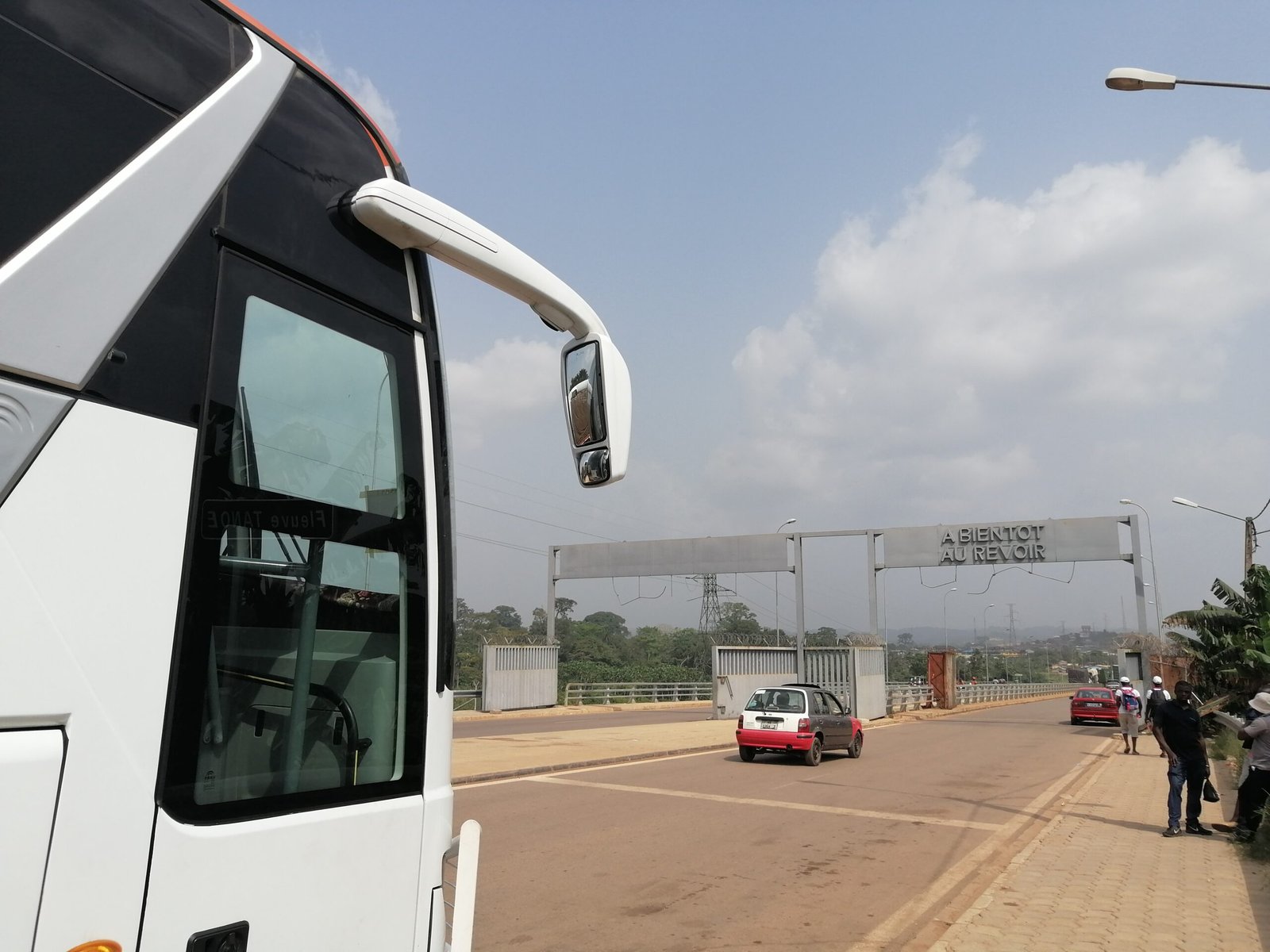
In its October 12 reporting, Agence Ivoirienne de Presse described border populations as people whose lives and activities are connected across national lines. Mobility and interdependence matter here, and a community is not necessarily culturally uniform simply because its members live in the same border area. Read AIP’s October 12 report.
AIP reported that the discussions would address cross-border movement, informal commerce, climate-related migration, security, and the participation of women and young people. It also highlighted local knowledge and traditional mediation alongside formal security arrangements. That framing makes the event more than a discussion of checkpoints or lines on a map.
The relevant policy background includes the 2014 Niamey Convention on cross-border cooperation and the AU’s 2020 integrated border-governance strategy. AIP links this edition to both frameworks. Those are existing reference points, not agreements newly signed at an event that has yet to begin.
What to look for after the forum
The AU says participants are expected to examine gaps between regional rules and implementation and produce operational recommendations. That is an agenda, not evidence that the gaps have already been closed.
For readers following the gathering, the useful next questions are specific: Which recommendation has a named institution responsible for it? Does it include a timetable? How will border residents help shape the work and report problems? Are women and young people represented in decisions rather than only mentioned in the final text?
These are editorial tests for assessing the outcome, not promises the organizers have already made. A closing statement could establish shared priorities; showing that everyday movement or cooperation has improved would require later evidence from the places concerned.

For now, the verified news is the forthcoming forum and its community-centered agenda. Read any attendance projection, planned activity or expected recommendation as a plan until the event’s published record confirms what actually happened.



