

Categoría: Science & Space

Why Wood Swells More Across the Grain
Wood exchanges moisture with the air, but its dimensions do not change equally in every direction. Learn why grain orientation, drying and finishes matter.
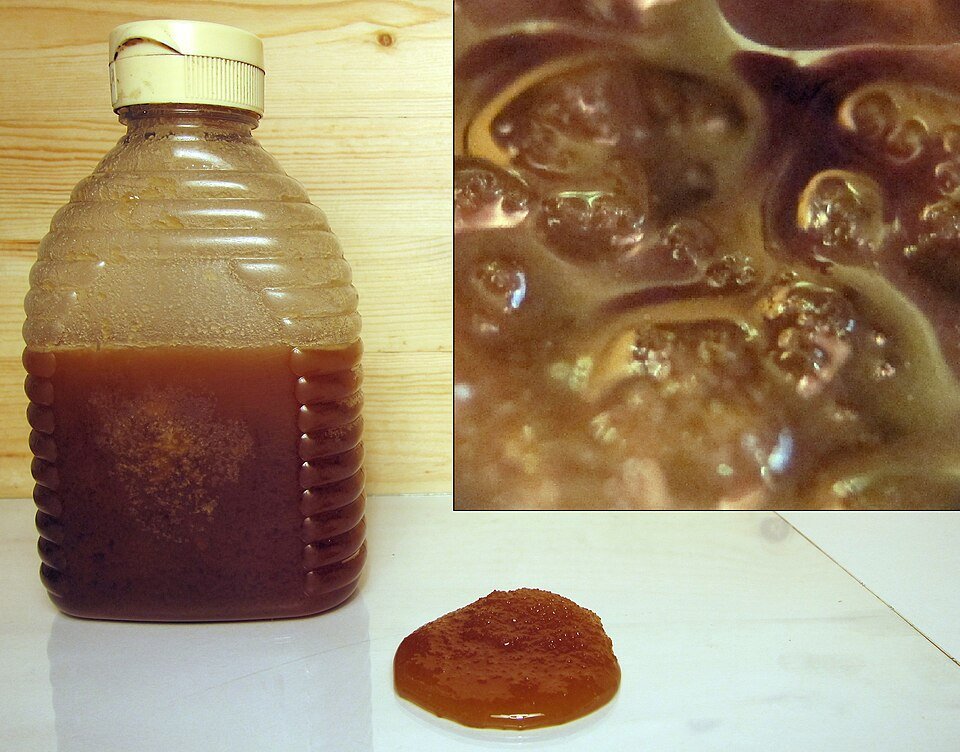
Why Honey Turns Grainy in the Jar
Honey can become grainy as glucose crystals grow. Learn why jars change at different rates and how storage and processing affect the texture.
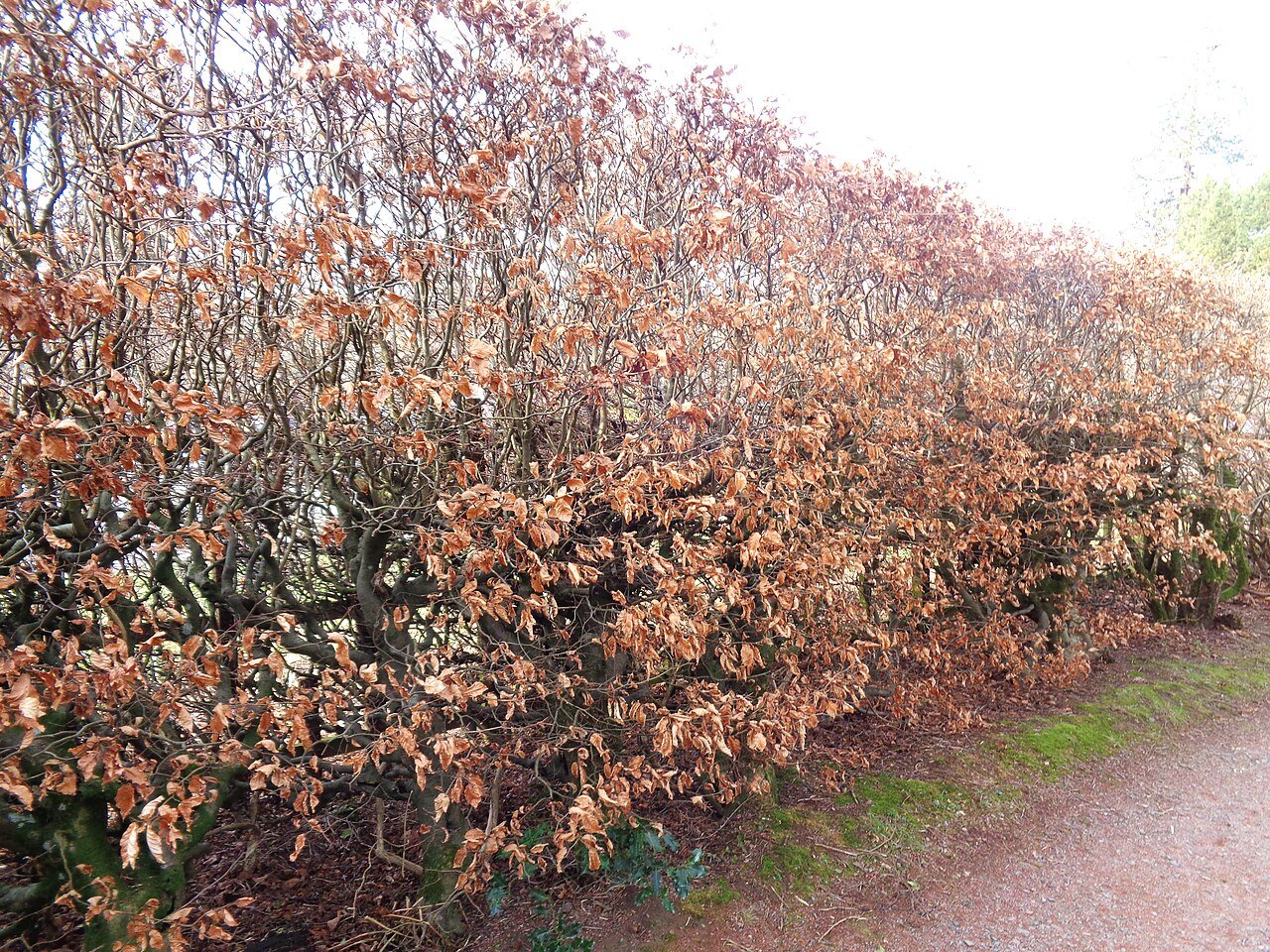
Why Some Trees Keep Brown Leaves Through Winter
Dry leaves can remain on beech and oak branches after they die. Learn what delayed leaf fall reveals—and why its possible benefits remain an open question.

Why Soap Helps Water Carry Away Grease
Soap molecules link water with oily material. Learn how their two ends, micelles and hard water explain an everyday rinse.

Why a Magnet Picks Up Some Metals
See why iron-rich objects can respond strongly to a magnet, how magnetic domains matter, and why a copper object can be metal without sticking.

Why Pencil Erasers Leave Crumbs
Follow a pencil mark from graphite on paper to the material collected by an eraser, then compare what ordinary and kneaded erasers leave behind.

Why Some Seeds Need Cold, Moist Stratification
Cold, moisture and time can help some seeds overcome dormancy. Learn why species-specific instructions matter and how stratification differs from scarification.

Why a Charged Balloon Can Attract Neutral Paper
A charged balloon can pull neutral paper toward it. Follow the difference between transferring electrons and polarizing a material to understand why.

Why Your Shadow Changes Length During the Day
Follow one fixed shadow through the day, distinguish solar noon from clock time, and keep seasonal comparisons meaningful.

Why Grass Can Be Wet Without Rain
Morning dew forms on cooled surfaces. Learn why wet grass, an air-temperature reading and a frosty patch can tell different stories.