

Categoría: Science & Space

Read the Spacing Between Isobars
Read the pressure values and map scale before comparing isobar spacing, and separate the broad pattern from local wind conditions.
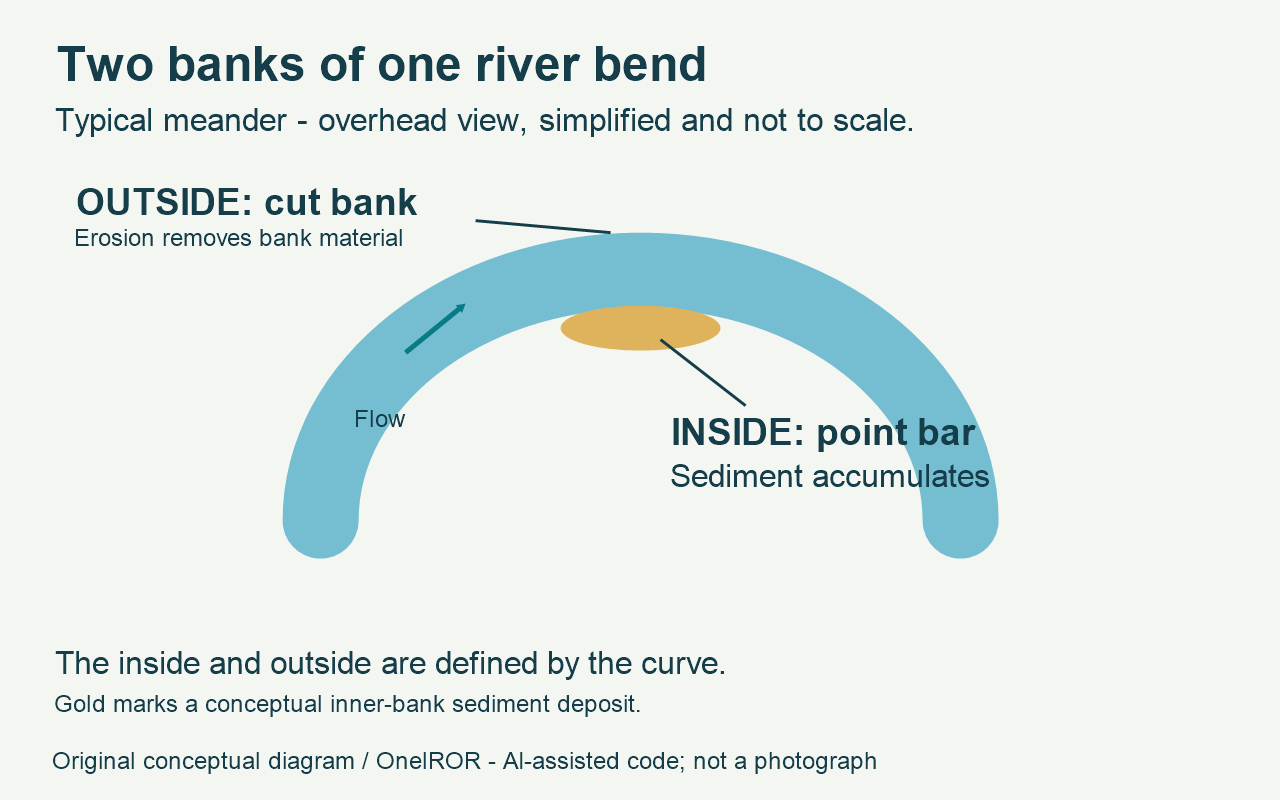
Read the Two Banks of a River Bend
Read a meander from the outside bank to the inside deposit, then follow how erosion, sediment and a cutoff can change a river’s route.

Why a Shuttlecock Turns Nose-First
A shuttlecock’s rounded nose, broad skirt and open structure help explain why it turns nose-first after a hit. Two studies show what to watch.
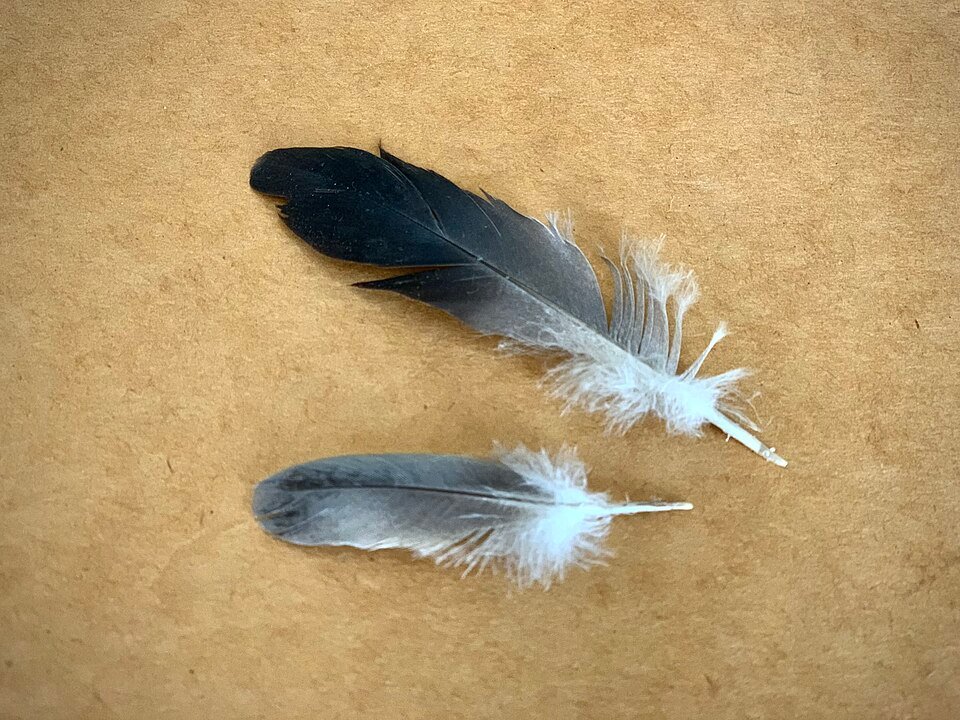
How a Feather Holds Its Shape
A feather is a branching structure. See how the shaft, barbs and microscopic connections produce a firm vane or a loose insulating down.

Why Red Cabbage Juice Changes Color
Red cabbage pigments respond to acidity. See how to compare separate samples and why a color change is a clue rather than an exact pH reading.

Why a Pineapple Has So Many Eyes
The repeating eyes on a pineapple trace back to a cluster of flowers. Compare the surface, leafy crown and central core to understand this multiple fruit.

Find a Rainbow With the Sun Behind You
Put the Sun behind you and look toward illuminated rain: the viewing geometry explains where a rainbow appears and why a second bow can be fainter.

Why Stars Twinkle More Near the Horizon
A low star can seem to flicker more than one high overhead. Learn how moving air and the longer atmospheric path near the horizon change the view.

Why Clouds Can Look White or Gray
The same cloud can have a bright edge and a darker base. Explore how sunlight, scattering and viewing conditions shape white, gray and sunset cloud colors.

Why Wood Swells More Across the Grain
Wood exchanges moisture with the air, but its dimensions do not change equally in every direction. Learn why grain orientation, drying and finishes matter.