


Euclid’s Deep-Sky Survey Turns Up a New Comet
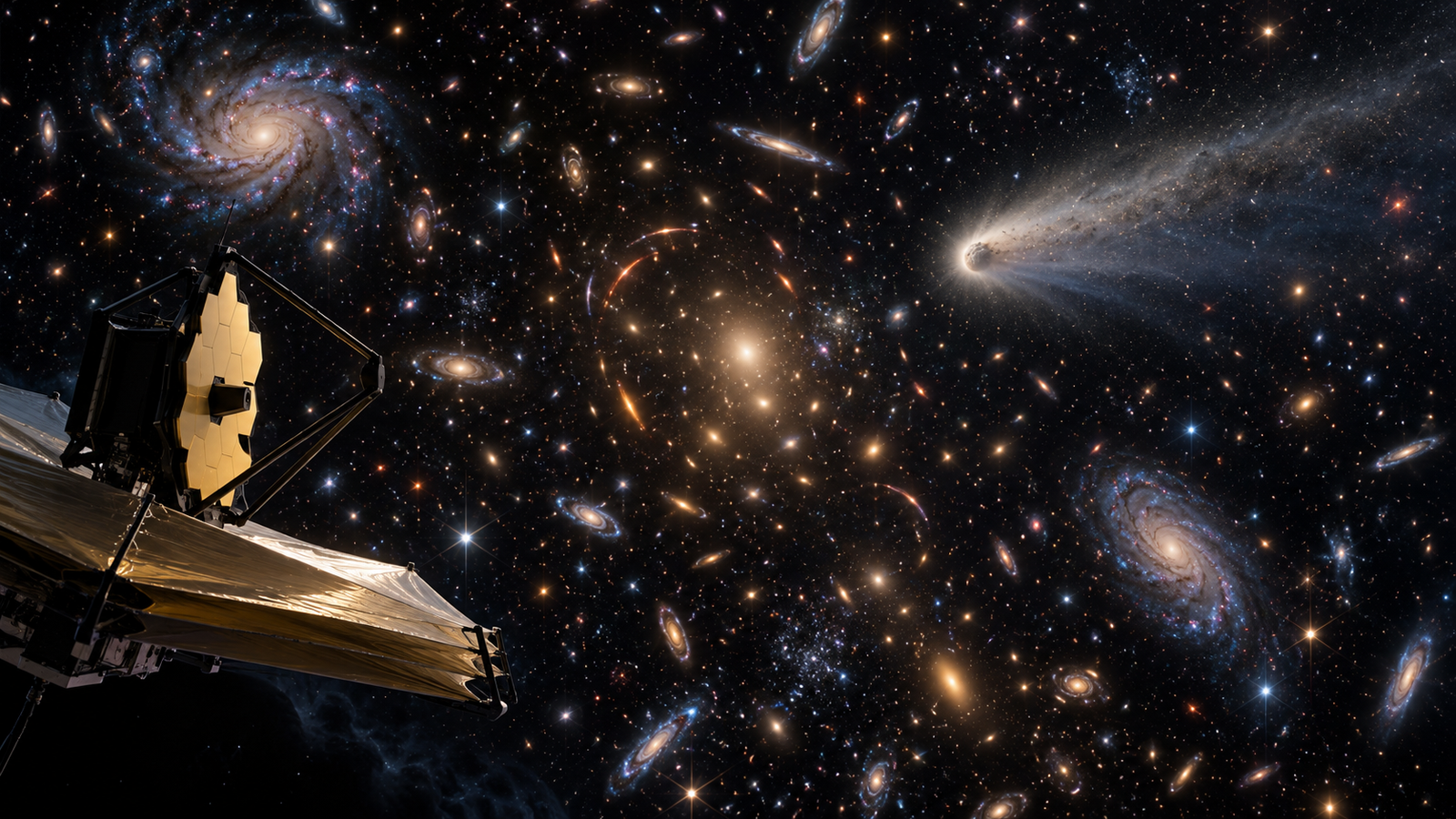
Euclid’s Deep-Sky Survey Turns Up a New Comet
ESA’s Euclid space telescope was built to map distant galaxies, not to hunt comets. Yet a moving streak in its deep-field images led astronomers to an unexpected find: C/2026 S1 (Euclid), the mission’s first previously unknown comet. ESA announced the discovery on October 19, after the Minor Planet Center confirmed the comet’s identity on October 8.
By OnelROR Editorial Team · October 21, 2026 · 4-minute read
At a glance
Euclid recorded the object during observations made from September 16 to 24, 2026. A researcher’s moving-object software flagged the streak, and follow-up checks found a fuzzy coma around it. The find is an unusual bonus from a survey designed to study the large-scale universe, not a new close-approach warning.
A moving mark in a still-sky survey
Euclid’s main job is to collect sharp, repeated measurements of galaxies across a large share of the sky. Its observing pattern is often described as “step and stare”: point at a patch, take images, then move on. That makes a fast-moving object easy to miss or misclassify, especially when the telescope is not expected to revisit the same field on demand.
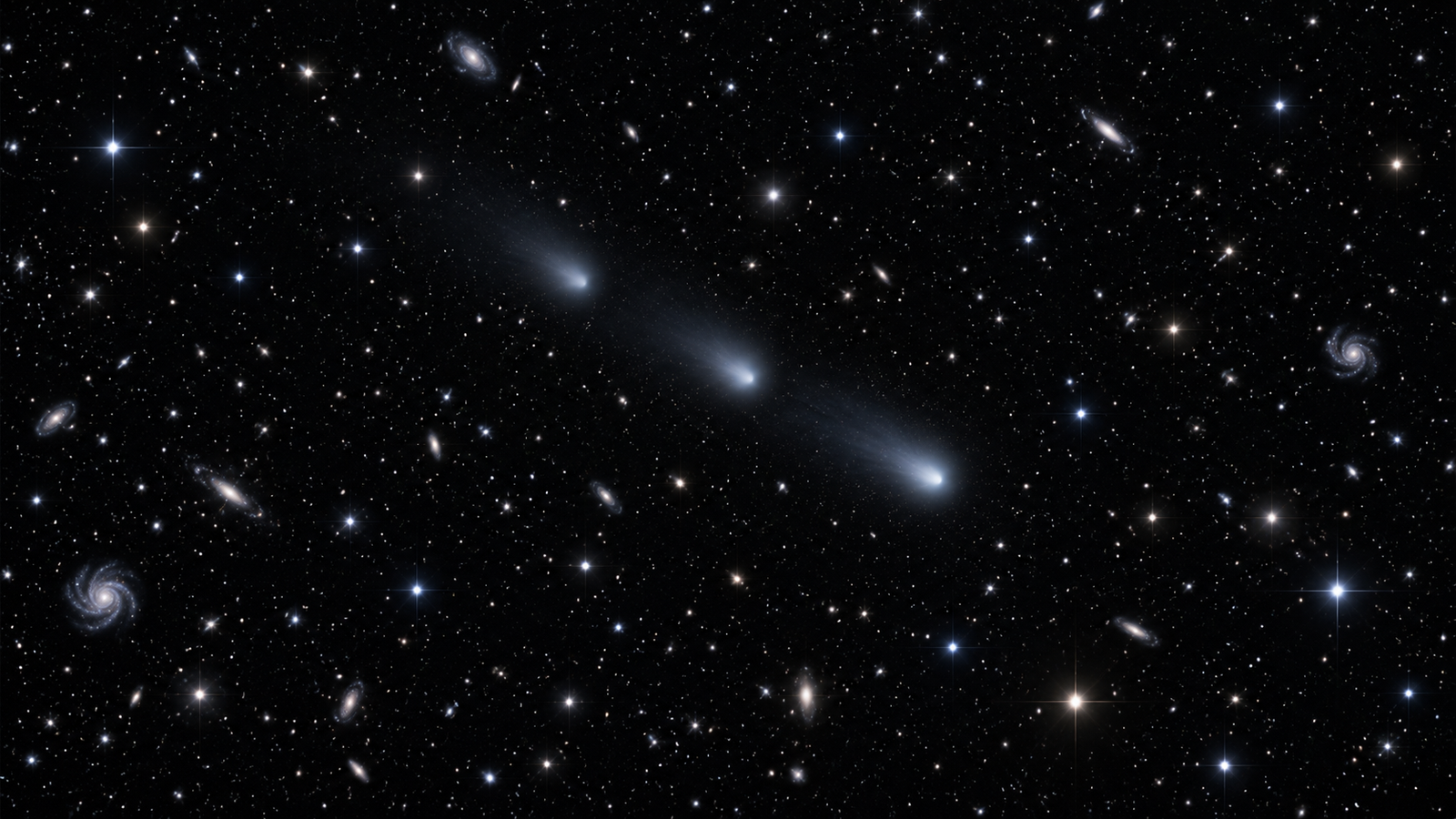
In this case, software developed by University of Helsinki researcher Mikko Pöntinen flagged a streak in one set of images. By predicting where the object would appear next, he found it in five image sets, comprising 16 exposures. The faint, diffuse cloud around the moving point was a clue that it was an active comet shedding dust and gas, rather than a simple streak from an unrelated source.
After checking catalogues for a known comet or asteroid, the team sent the observations to the International Astronomical Union’s Minor Planet Center. Ground-based observers then added follow-up measurements. The MPC confirmed the object as a comet on October 8 and assigned the designation C/2026 S1 (Euclid). ESA’s October 19 report and the Euclid Consortium’s accompanying explainer describe the same sequence; the consortium’s account adds detail on how the observations and orbit checks were coordinated.
Why a galaxy survey cares about comets
A comet can appear as unwanted light or a moving trail in a survey frame. Identifying it helps scientists distinguish Solar System foreground objects from the distant galaxies Euclid is measuring. That matters for a mission whose long-term goal is to map billions of galaxies and study how dark matter and dark energy influence the universe.
The surprise also offered a real-world test of how the Euclid science teams and comet-follow-up observers can pass along a possible moving object. That is useful operational experience, but it should not be overstated: ESA says C/2026 S1 is not a suitable target for the future Comet Interceptor mission.
A steep, long journey around the Sun
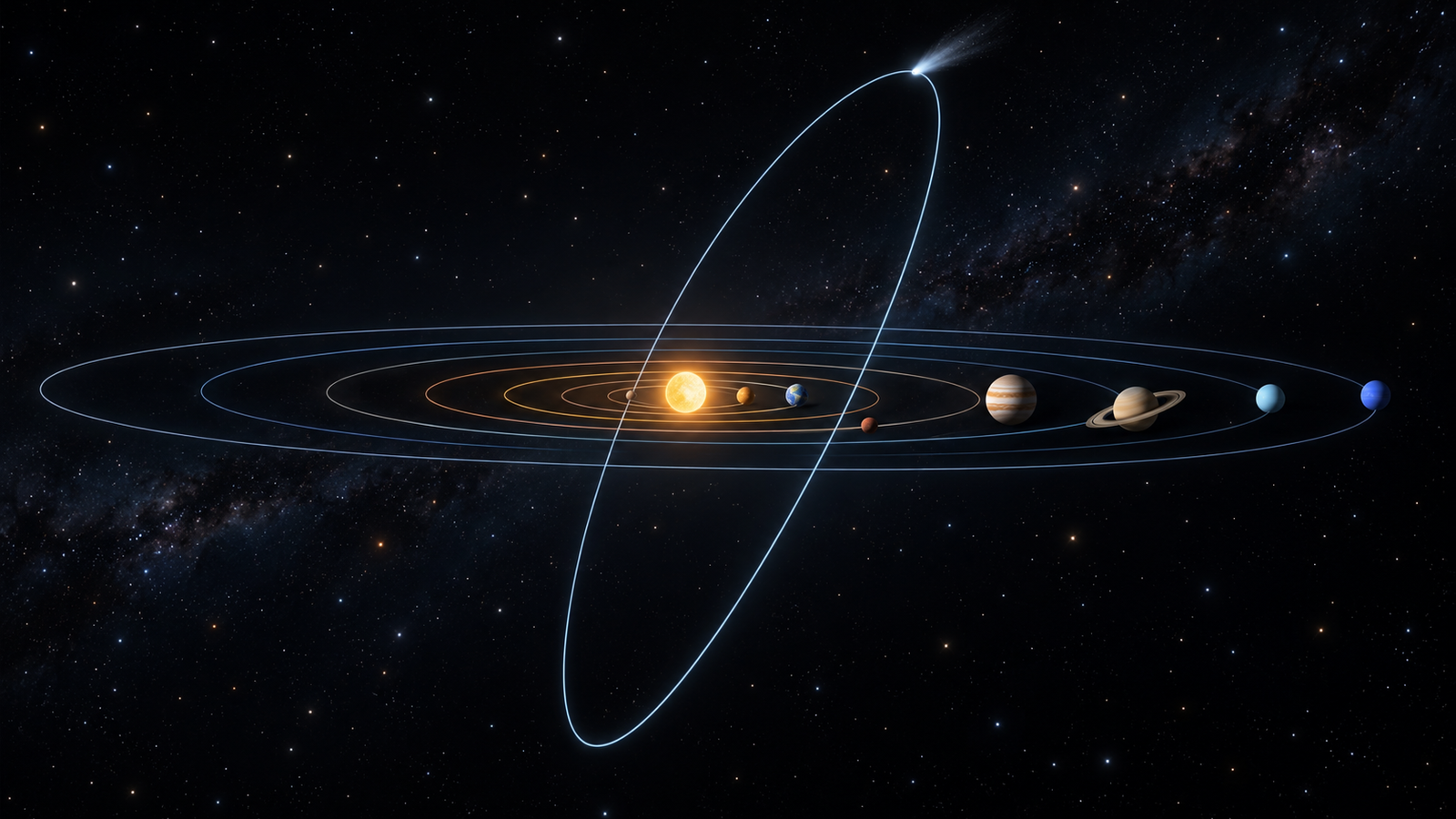
ESA places the comet about 1.3 billion kilometres from Earth, roughly in the broad region between Jupiter’s and Saturn’s distances from the Sun. Its path is highly tilted relative to the planets’ familiar orbital plane, and the orbit is expected to take thousands of years. The period is still being refined as more observations become available, so “thousands of years” is a broad description rather than a precise timetable.
What the discovery does—and does not—say
C/2026 S1 is a genuine new comet discovery, but the announcement is about a scientific identification, not an imminent encounter with Earth. Its significance is the unexpected capability revealed by the data: a telescope mapping galaxies can also provide useful evidence about a moving Solar System object when its survey images overlap with the object’s path.
For readers, the short version is simple: Euclid caught a comet by accident, software helped trace it across several exposures, and the Minor Planet Center confirmed it. The result is a neat example of how careful cataloguing and follow-up turn a faint streak into a named object—and a reminder that large surveys can produce discoveries outside their headline mission.
Sources: European Space Agency, “Euclid discovers new comet” (October 19, 2026); Euclid Consortium, “Meet Euclid’s first comet discovery” (October 19, 2026); El País, coverage of the discovery (October 19, 2026).