





The Fed Faces a Possible Rate Hike as Inflation Stays High
ECONOMY | EXPLAINER
The Federal Reserve begins a two-day meeting Tuesday with inflation still stubborn and analysts watching for the first increase in its benchmark rate in three years. Any decision would reach households gradually—and unevenly.
WASHINGTON—Federal Reserve officials opened a closely watched meeting Tuesday with a question that has not confronted them in three years: whether inflation is persistent enough to justify raising interest rates again.
The Federal Open Market Committee is scheduled to announce its decision Wednesday afternoon, followed by a news conference. Analysts cited by The Associated Press expect a possible quarter-point increase from the current target range, though the outcome is not guaranteed. The distinction matters: markets may anticipate a move, but only the committee can make it official.
Why a rate increase is on the table
The Fed uses the federal funds rate—the overnight rate banks charge one another—as its main policy tool. Raising the target range is intended to make financial conditions tighter. Credit becomes more expensive, demand cools and businesses face less pressure to raise prices. The tradeoff is that slower spending can also restrain hiring and investment.
The committee held rates steady at its July meeting. Minutes released by the Fed show that three officials preferred a quarter-point increase then, while most supported no change. A September move would signal that a broader share of policymakers now sees inflation risks as requiring a stronger response.
Credit cards and variable-rate loans could react first
Credit-card annual percentage rates are commonly tied to the prime rate, which tends to move with Fed policy. If the central bank raises rates, cardholders carrying balances may see financing costs rise within one or two billing cycles. Home-equity lines of credit and some adjustable-rate loans can follow a similar path.
For borrowers, the practical response is less dramatic than the headlines: check whether a loan has a variable rate, review the next reset date and prioritize expensive revolving balances. A quarter point sounds small, but repeated increases compound the cost of debt over time.
Savers may benefit, but banks choose their own pace
Higher policy rates can create room for better yields on savings accounts, money-market accounts and certificates of deposit. Banks do not have to pass through the full increase, however. Institutions with little need for deposits may move slowly, while online banks and credit unions often compete more aggressively.
Consumers comparing accounts should look at the annual percentage yield, minimum-balance rules and withdrawal limits together. A headline yield loses value if fees or restrictions do not fit the way the account will be used.
Mortgage rates do not move in lockstep with the Fed
The central bank does not set 30-year mortgage rates. Those loans are shaped more directly by longer-term Treasury yields, inflation expectations and investor demand for mortgage-backed securities. Markets often adjust before a Fed decision, so mortgage rates can rise, fall or barely move on announcement day.
For buyers, monthly affordability still depends on the quoted mortgage rate, home price, taxes, insurance and down payment. A single Fed decision is one input, not a reliable signal to rush or delay a purchase.
The wider effect takes time
Businesses that rely on credit may postpone equipment purchases, expansion or hiring when borrowing becomes more expensive. Households may delay large purchases. These decisions gradually reduce demand across the economy, which is why monetary policy works with a lag rather than like an on-off switch.
The Fed must weigh that cooling effect against the risk that inflation stays above its objective. Tightening too little can allow price pressures to become entrenched; tightening too much can weaken growth and employment more than necessary.
What to watch Wednesday
The rate decision will be only the first headline. Investors and households should also watch the vote tally, the committee’s updated economic projections and the chair’s explanation of what could change the path ahead. Language about inflation, employment and future meetings may move markets as much as the quarter-point decision itself.
The useful question is not only whether rates rise this week, but whether officials believe one move is enough—or the start of a longer campaign.
Sources
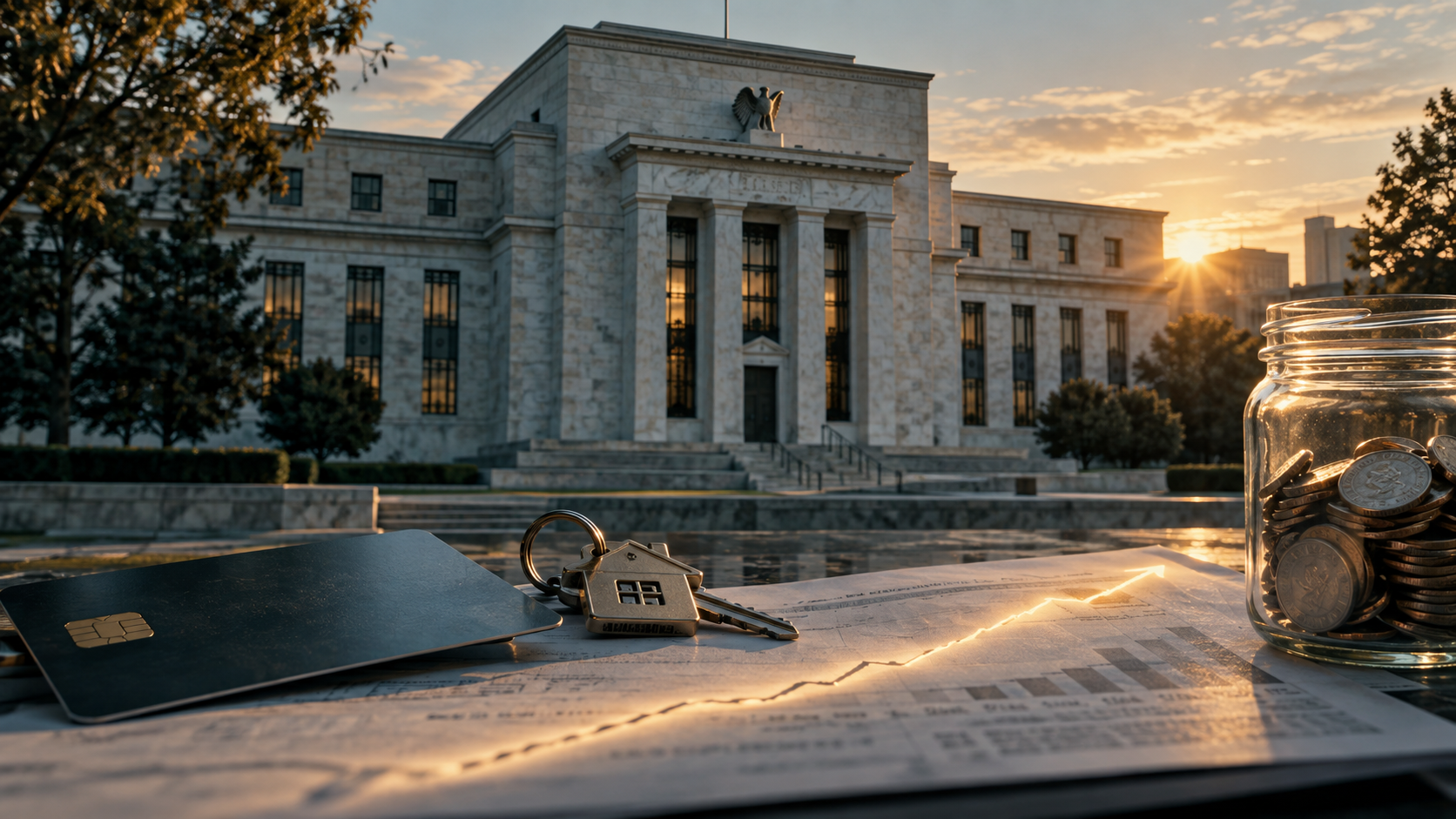
Reporting note: The policy decision described here had not been announced at publication time. The featured image is an original editorial illustration created for ONELROR.